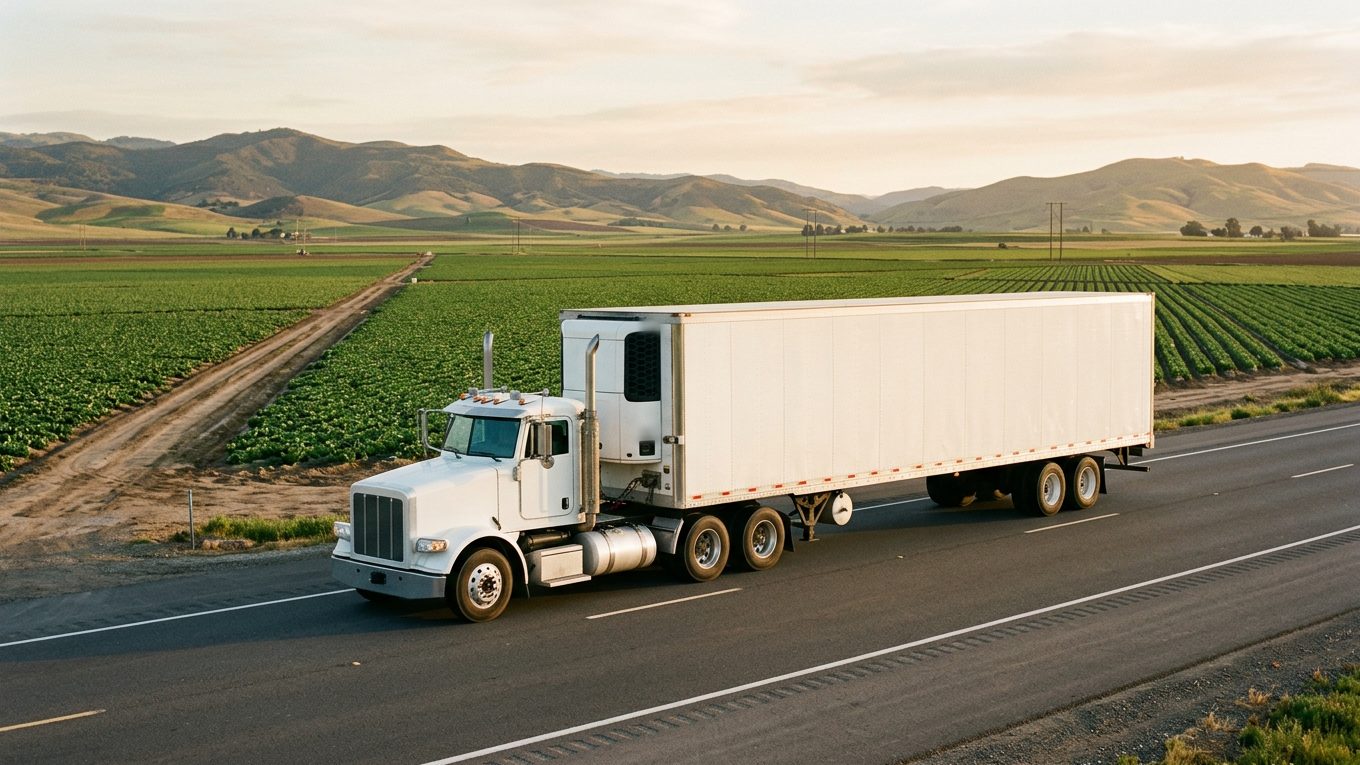
What reefer loads are, why they pay more, where to find high-paying refrigerated freight, the insurance and food safety rules to know, and how to avoid rejected loads.
Reefer loads are refrigerated or frozen freight hauled in a temperature-controlled trailer, such as produce, meat, dairy, frozen food and some medicines. To find high-paying reefer loads, follow produce seasons, search load boards with a reefer filter and alerts for your lanes, charge for detention and extra stops, and build steady relationships with food shippers and brokers. Reefer usually pays more per mile than dry van because the work costs more and carries more risk.
Key takeaways
- Reefer freight usually pays more than dry van, but fuel for the reefer unit, maintenance and insurance cost more too.
- Produce seasons move around the country, and rates rise where the harvest is.
- Most cargo policies exclude spoilage from temperature problems unless you add reefer breakdown coverage.
- Pre-cool, check the set point and keep temperature records on every load to avoid rejected deliveries.
What are reefer loads?
A reefer is a refrigerated trailer with its own diesel-powered cooling unit. It can keep freight cold, frozen or even warm in winter. Common reefer freight includes:
- Fresh fruits and vegetables
- Meat, poultry and seafood
- Dairy products and eggs
- Frozen food and ice cream
- Flowers and plants
- Medicines and some chemicals that must stay in a set temperature range
Reefers can also haul dry freight when the unit is off, which gives you more options for backhauls.
Why reefer loads pay more
Reefer freight usually pays more per mile than dry van. Published industry reports put the national reefer spot average at about $2.76 per mile without fuel for the week ending October 17, 2026, about a third higher than a year earlier. The extra pay covers real extra costs:
- Diesel for the reefer unit, on top of the truck's fuel.
- A more expensive trailer and unit, plus regular unit maintenance.
- Higher cargo insurance and reefer breakdown coverage.
- Tight delivery appointments and more waiting at produce sheds and grocery warehouses.
For a side-by-side look at equipment types, read dry van vs reefer vs flatbed.
Where to find high-paying reefer loads
Follow the produce seasons
Produce freight moves around the country with the harvest. In winter and early spring, much of it comes from Florida, South Texas and Arizona, including produce imported from Mexico. In summer, more loads come from California, the Southeast and the Northwest. Fall brings apple and potato harvests and holiday food demand. When a region's harvest peaks, trucks get tight and rates go up.
Search a reefer load board with alerts
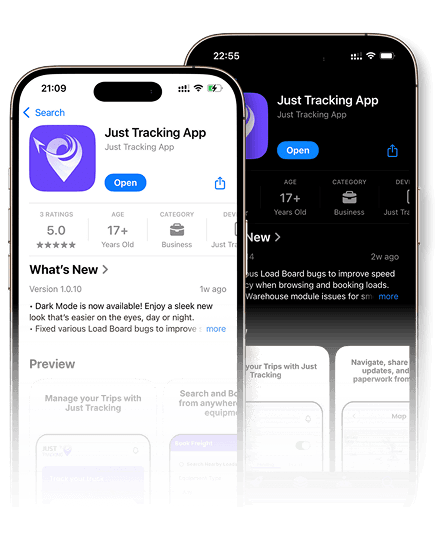
On the free reefer load board, Just Tracking shows every load with the broker's credit score, days to pay and minimum authority age. Set load alerts for your produce lanes on the web or in the app, so you see new loads as soon as they post. Chat with the broker from the load, with details attached automatically, or send your own rate offer.
Let brokers find your truck
When you're empty near a busy shipping area, turn on Ready Now in the Just Tracking driver app. Your truck shows live on the Available Trucks map with its type and location, so brokers with urgent reefer freight can reach you.
Work directly with food shippers
Produce packers, meat plants, dairies and frozen food makers all need reliable reefer carriers. Start with brokers you trust, then reach out to shippers on the lanes you run most. A carrier who delivers on time and in temperature gets called first.
Specialize in demanding freight
Some reefer freight pays more because fewer carriers can haul it. Frozen loads need a unit that holds low temperatures for days, and medicines usually need tight temperature ranges, detailed records and higher cargo limits. Multi-stop grocery loads take more planning and patience at the dock. If your equipment, records and drivers meet those standards, you can compete for loads that many carriers skip.
What you need to haul reefer loads
A reliable reefer trailer and unit
Keep the unit serviced and the temperature sensors calibrated. Your trailer should be clean, free of odors and in good condition, because many food shippers inspect it before loading.
The right insurance
Most standard cargo policies exclude losses from temperature changes. Reefer breakdown coverage is an add-on that helps pay for spoiled freight if the unit fails. Insurers often deny claims when maintenance or temperature records are missing, so keep both.
Food safety rules
The FDA's sanitary transportation rule applies to many food carriers. In general, your equipment must be clean and able to hold the required temperature, and you must show temperature records when the shipper or receiver asks. If you agree to be responsible for sanitary conditions, your drivers need documented training. Records are kept for up to 12 months, and businesses with less than $500,000 in average annual revenue are exempt.
How to avoid rejected reefer loads
One rejected load can wipe out a month of profit. Follow these steps on every load:
- Pre-cool the trailer to the set point before loading, if the shipper asks for it.
- Check the set point and mode on the bill of lading. Many produce loads need continuous mode instead of start-stop.
- Check the product temperature at pickup when you can, and note any problems on the bill of lading before you leave.
- Record the seal number and don't break the seal without permission.
- Keep the reefer fuel tank full and watch the temperature during the trip.
- Download the temperature log at delivery so you can prove the load stayed in range.
Grocery warehouses often reject late or out-of-temperature loads. With load tracking, brokers see your truck live and every stop check-in, and the driver uploads the BOL and POD from the app. That cuts check calls and gets you paid faster.
How to price reefer loads
- Know your real cost per mile, including reefer fuel, unit maintenance and insurance.
- Judge every load by its rate per total mile, including deadhead. Our guide to a good rate per mile shows how.
- Price your reload before you accept a load into a slow market.
- Get detention, lumper fees, extra stops and layover pay in writing on the rate confirmation.
- Check the broker's payment history before you book. Here are 7 checks to run on any broker.
Frequently Asked Questions
What is a reefer load?
A reefer load is freight hauled in a refrigerated trailer that keeps it at a set temperature. Common examples are produce, meat, dairy, frozen food and some medicines.
Do reefer loads pay more than dry van?
Usually, yes. Reefer rates are typically higher per mile because the equipment, fuel and insurance cost more and the freight is time-sensitive.
When is the best time for reefer freight?
Spring and summer produce seasons and the weeks before major holidays are usually busiest. Demand also changes by region as harvests move around the country.
Do I need special insurance for reefer loads?
Many brokers and shippers require reefer breakdown coverage, because standard cargo policies often exclude temperature-related losses. Ask your agent what your policy covers.
Can a reefer haul dry freight?
Yes. With the unit off, a reefer can haul dry freight, which helps you find backhauls when refrigerated loads are scarce.
Find reefer loads for free
Search reefer freight on Just Tracking with broker credit and days to pay on every load, and set alerts for your lanes. Sign up for free and book your next refrigerated load.