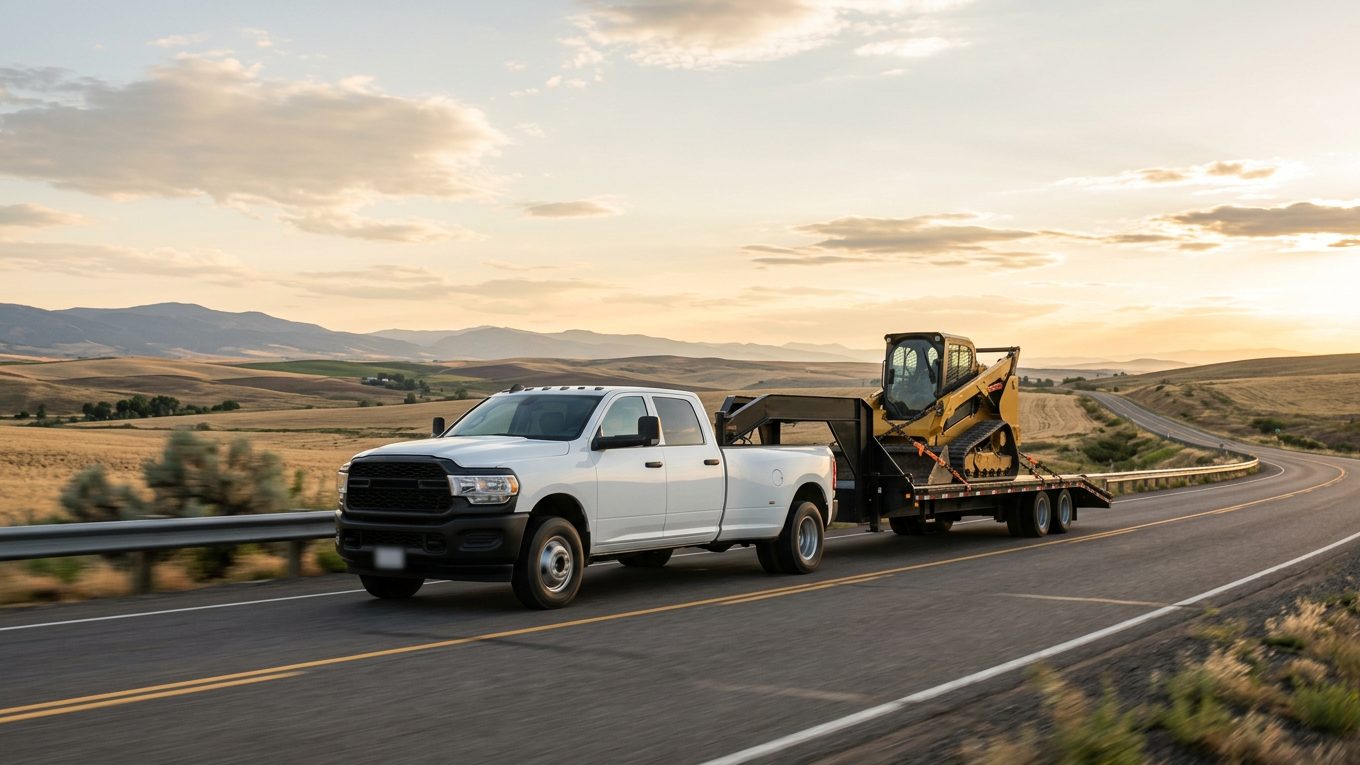
What hotshot trucking is, the truck, trailer and gear you need, when a CDL is required, the authority and insurance to get, and where to find and how to price hotshot loads.
Hotshot trucking means hauling smaller, time-sensitive loads with a heavy-duty pickup or medium-duty truck pulling a flatbed or gooseneck trailer. To start in 2026, you need the right truck and trailer, a USDOT number and operating authority for interstate for-hire work, the right insurance, and possibly a Class A CDL depending on your combined weight rating. Then you find hotshot loads on load boards and through local shippers like equipment dealers and construction suppliers.
Key takeaways
- Hotshot rigs cost far less to buy than a semi, so it's a common way to start a trucking business.
- If your truck and trailer have a combined rating of 26,001 pounds or more and the trailer is rated over 10,000 pounds, you need a Class A CDL.
- Interstate for-hire hotshots over 10,001 pounds need a USDOT number, operating authority, insurance and a DOT medical card.
- Most hotshot freight is construction, equipment, agricultural and oilfield loads that need to move fast.
What is hotshot trucking?
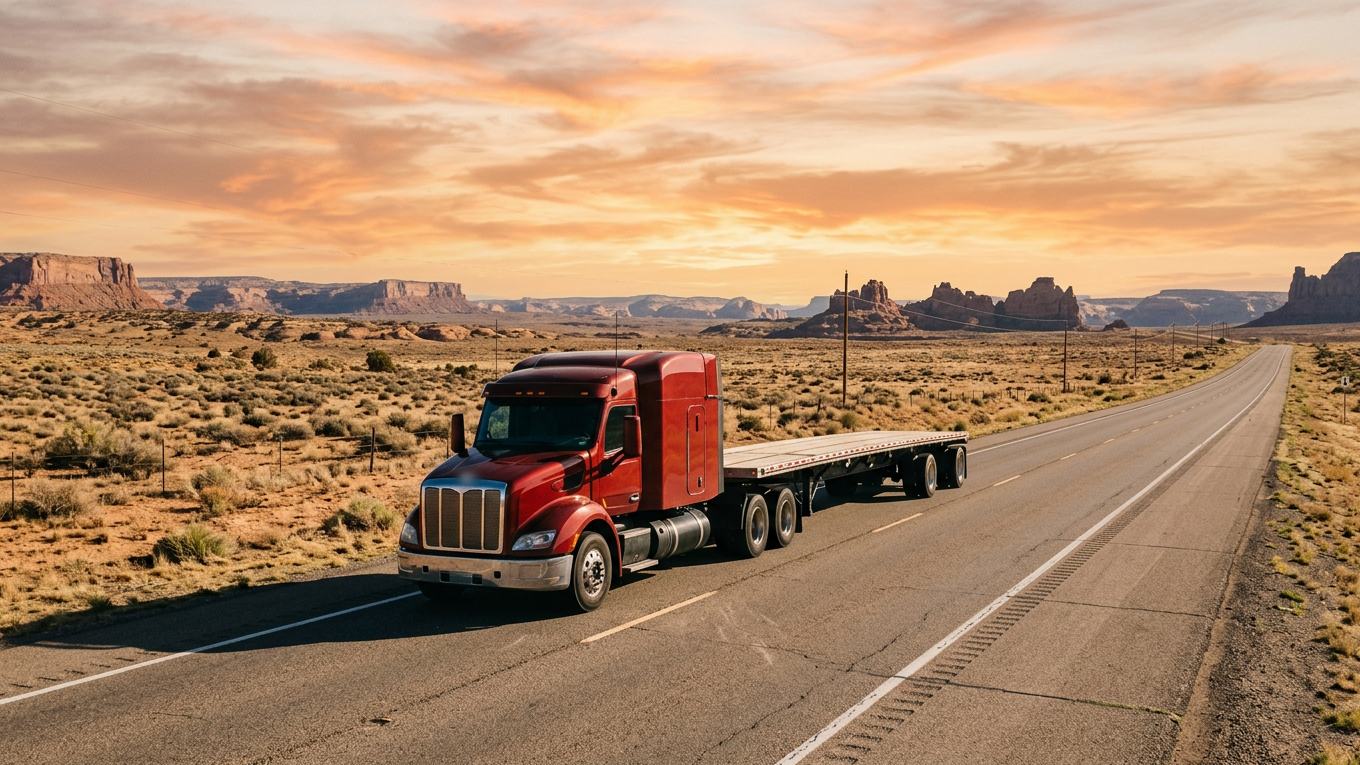
Hotshot trucking is expedited freight on a smaller rig. Instead of a semi and a 53-foot trailer, a hotshot driver uses a heavy-duty pickup or a medium-duty truck with a flatbed, gooseneck or dovetail trailer. Loads are usually smaller, often a single piece of equipment or a partial load, and they need to arrive quickly.
Common hotshot freight includes:
- Construction equipment and building materials
- Machinery and replacement parts for factories and farms
- Oilfield and energy equipment
- Agricultural equipment
- Vehicles and smaller trailers
Pros and cons of hotshot trucking
Pros
- Lower startup cost than a semi truck and trailer.
- Many urgent loads, where speed matters more than price.
- More flexibility with partial and local loads.
- A non-CDL setup is possible if you stay under the weight limits.
Cons
- Less payload capacity, so each load pays less in total than a full truckload.
- Hard on equipment, with more wear on tires, brakes and the truck itself.
- Demand rises and falls with construction, energy and farm seasons.
- Securing freight on an open deck takes skill and the right gear.
Equipment you need
The truck
Most hotshot drivers use a one-ton dually pickup or a medium-duty truck with a diesel engine. Check the truck's towing capacity and gross combination weight rating before you buy, because those ratings decide what you can legally haul and whether you need a CDL.
The trailer
Gooseneck flatbeds are the most popular choice because they carry more weight and handle better than bumper-pull trailers. Dovetails and ramps make loading equipment easier.
Securement gear
You'll need straps, chains, binders, edge protectors and tarps, plus the know-how to use them under federal cargo securement rules. Our guide to cargo securement best practices covers the basics.
Do you need a CDL for hotshot trucking?
It depends on your weight ratings, not on how heavy a given load is. Under federal rules, you need a Class A CDL if your truck and trailer have a gross combination weight rating of 26,001 pounds or more and the trailer itself is rated over 10,000 pounds.
Some drivers run "non-CDL hotshot" setups with a combined rating under 26,001 pounds. That avoids the CDL but limits how much you can haul, and fewer loads fit. Either way, if your rig is rated 10,001 pounds or more and you cross state lines, you need a DOT medical certificate.
Licenses, authority and insurance
To haul for hire across state lines with a rig rated 10,001 pounds or more, plan on:
- A USDOT number from FMCSA, which tracks your company's safety record.
- Operating authority (MC number) to haul regulated freight for hire.
- A BOC-3 process agent filing.
- Insurance: the federal minimum for general freight in vehicles of 10,001 pounds or more is $750,000 in liability, but many brokers ask for $1,000,000 plus cargo coverage.
- Hours-of-service compliance: hotshot drivers follow the same hours rules as other commercial drivers, and most need an ELD unless an exception like short-haul applies.
Expect a new entrant safety audit in your first year, and keep driver, maintenance and log records organized from day one.
How to find hotshot loads
Use load boards built for hotshots
On the free hotshot load board, Just Tracking lets you search loads by equipment, partial or full, length and weight, so you only see freight your rig can carry. Every load shows the broker's credit score, days to pay and minimum authority age. Set load alerts for your lanes so you see urgent loads before other drivers book them.
Let brokers find you
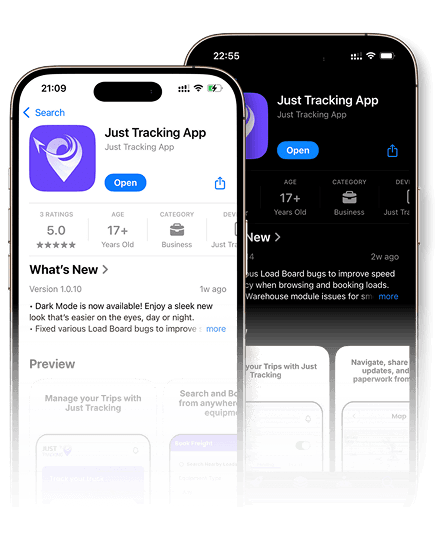
When you're empty, turn on Ready Now in the Just Tracking driver app. Your truck shows live on the Available Trucks map with its type and location, so brokers with urgent freight nearby can reach you directly.
Go straight to local shippers
Equipment dealers, rental yards, farm supply stores, steel suppliers and oilfield service companies often need fast, small deliveries. A few direct customers can keep your truck busy between broker loads.
Plan your backhauls
Hotshot runs are often one-way. Search for a return load before you deliver, so you don't drive home empty. If your authority is new, our guide on getting loads with a new MC authority will help.
Check the broker before you haul
Urgent loads attract scammers too. Before you accept, look up the broker's authority, bond, payment history and reviews in Company Snapshot, and get the rate, pickup and delivery details in writing.
Hotshot or a semi: which fits you?
Hotshot makes sense if you want a lower startup cost, like flexible partial and local work, and plan to haul equipment and materials that need to move fast. A semi with a full-size flatbed or van makes more sense if you want to haul full truckloads, run longer lanes and earn more per load. Many drivers start in hotshot, learn the business and move up to a semi once they have steady customers and cash reserves.
How to price hotshot loads
Hotshot rates vary widely by lane, urgency and load size, and there isn't one reliable national average. Price from your own numbers:
- Know your real cost per mile, including truck payments, insurance, fuel, tires and maintenance. Our guide on calculating your cost per mile walks through it.
- Count deadhead miles to the pickup and back.
- Charge more for urgent, same-day or after-hours loads.
- Watch your weight. A load that maxes out your rig should pay for the extra wear.
Frequently Asked Questions
Is hotshot trucking profitable in 2026?
It can be, especially for owner-operators who keep costs low and find steady direct customers. Profit depends on your truck costs, lanes and how well you avoid empty miles.
Can I do hotshot trucking without a CDL?
Yes, if your truck and trailer have a combined weight rating under 26,001 pounds. That setup limits how much you can haul, so fewer loads will fit.
What truck do I need for hotshot trucking?
Most drivers use a one-ton dually diesel pickup or a medium-duty truck. Check the gross combination weight rating before you buy, because it decides your CDL needs and payload.
Where do hotshot drivers find loads?
Load boards with hotshot and partial filters, broker relationships and local shippers such as equipment dealers and construction suppliers. Load alerts help you catch urgent loads first.
Do I need my own authority for hotshot trucking?
To haul for hire across state lines in your own name, yes. Some drivers lease on to a carrier and run under its authority while they learn.
Find your next hotshot load
Search hotshot and partial loads with broker credit and days to pay on every listing. Sign up for Just Tracking for free and set alerts for your lanes today.