What power only trucking is, its pros and cons, the tractor and trailer insurance you need, how drop and hook works, and how to find and price power only loads.
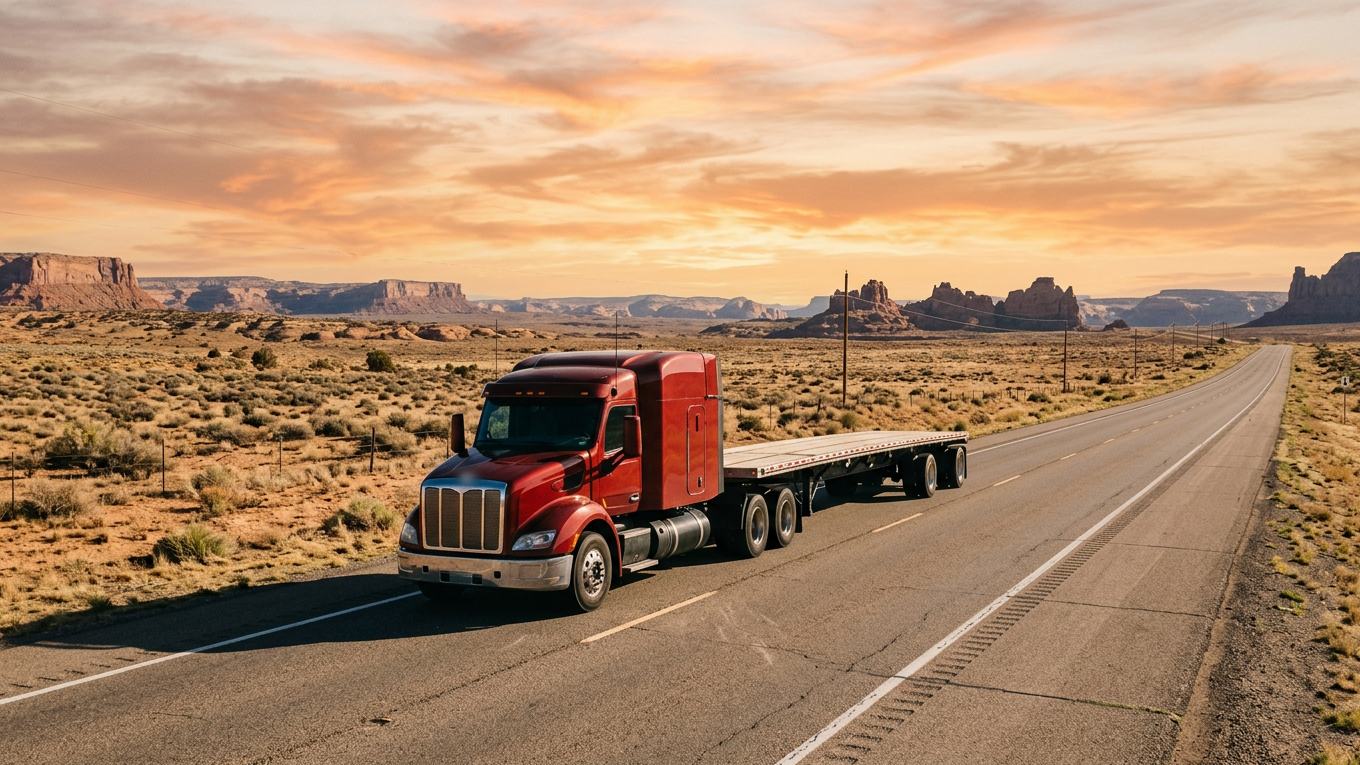
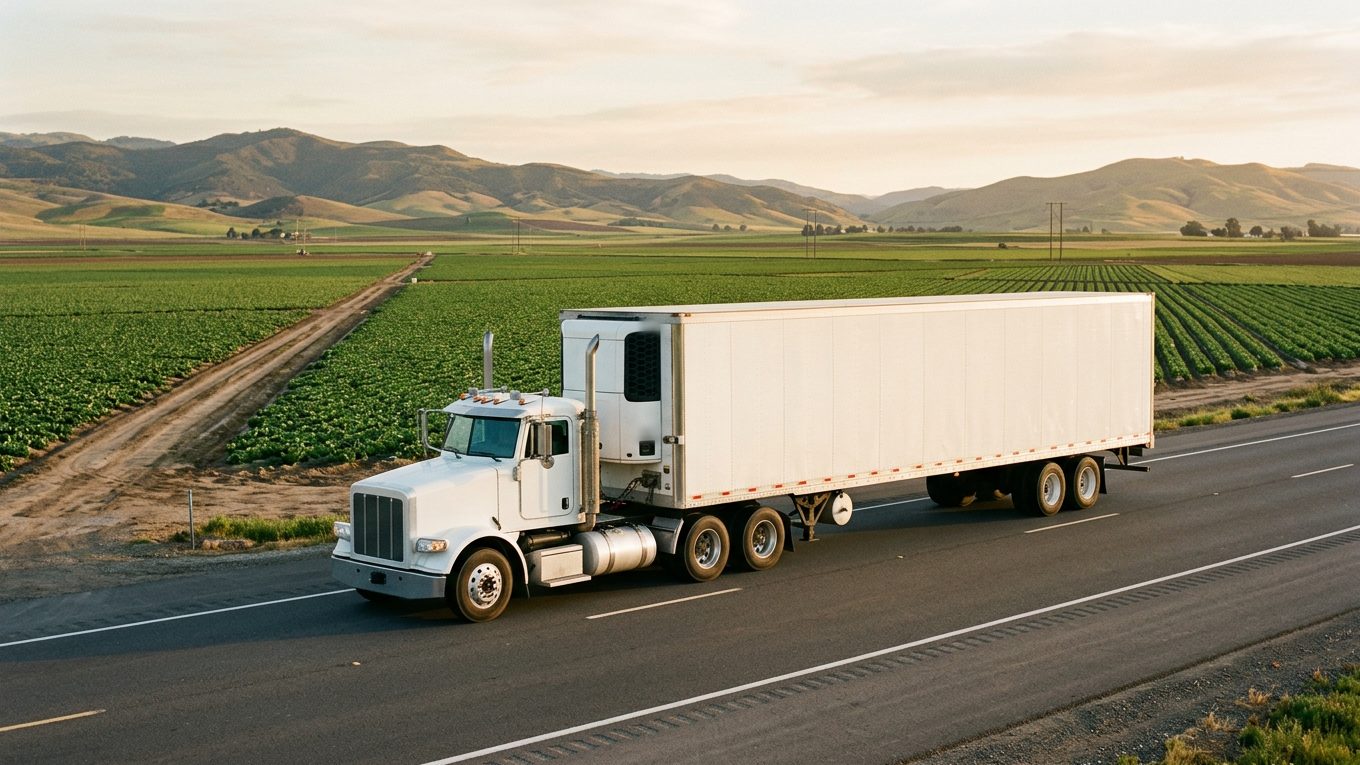
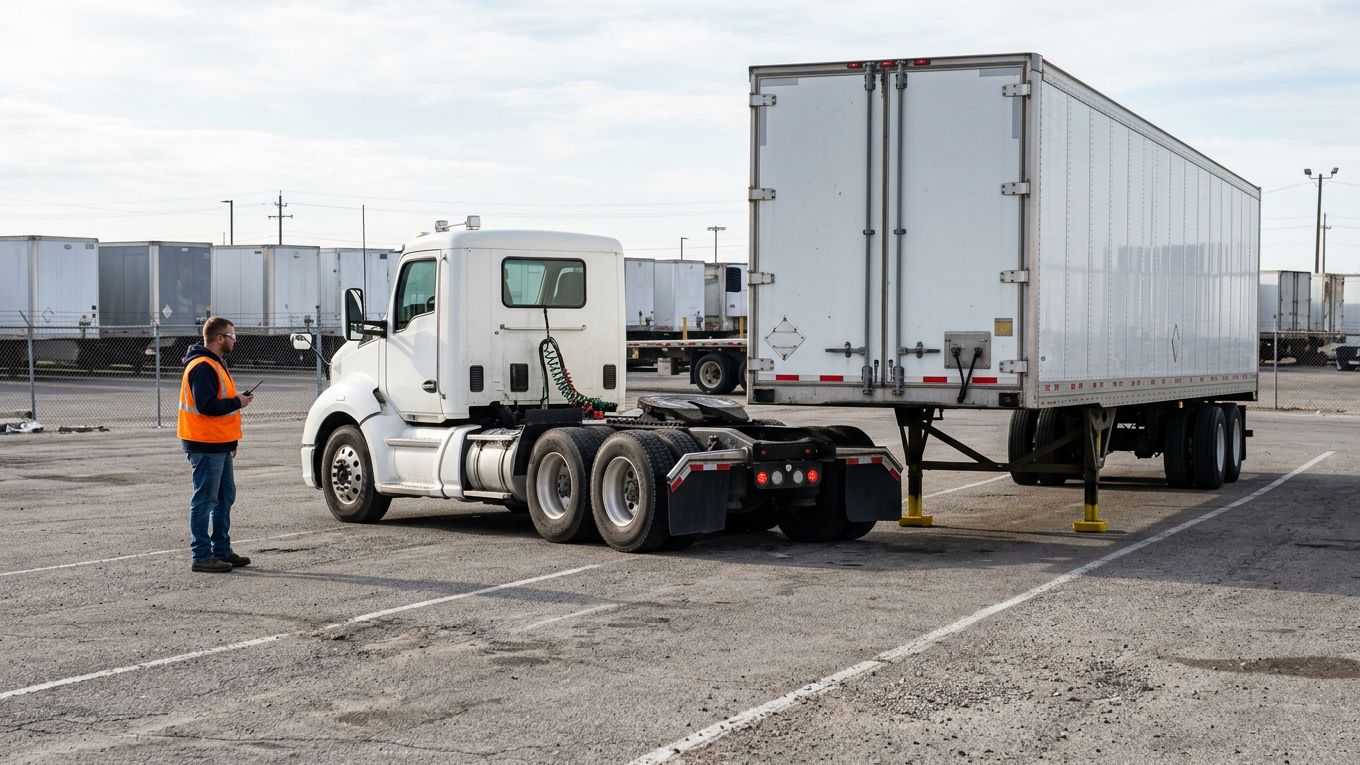
Power only loads are freight where the carrier supplies the truck and driver, and the shipper, broker or another carrier supplies the trailer. You hook up to a trailer that's already loaded or waiting in a yard, haul it to the destination and drop it, often without waiting at the dock. You can find power only loads on load boards with a power only filter, through large carriers and brokers that run trailer pools, and from shippers that own their own trailers.
Key takeaways
- With power only, you don't need to own a trailer, which lowers your startup cost.
- Most power only freight is drop and hook, so you spend less time waiting at docks.
- You'll need insurance for trailers you don't own, usually non-owned trailer or trailer interchange coverage.
- Inspect and photograph every trailer before you pull it, because damage disputes are common.
What are power only loads?
In power only trucking, you provide the "power": your tractor and your driver. Someone else provides the trailer. Typical power only moves include:
- Preloaded trailers: the shipper loads a trailer ahead of time, and you hook up and go.
- Trailer pool loads: a carrier or broker keeps trailers at shipper sites and needs trucks to move them.
- Empty trailer moves: repositioning empty trailers to where they're needed next.
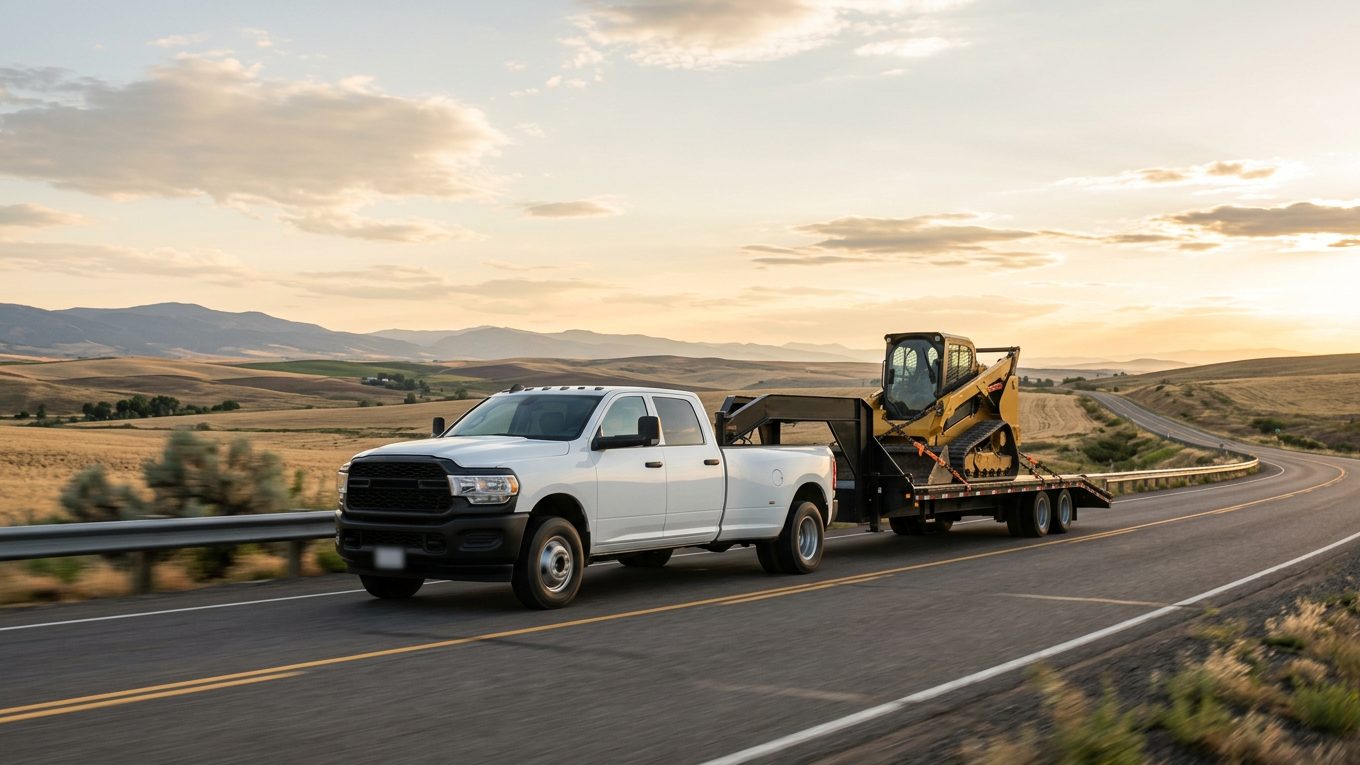
- Tow-away and equipment moves: moving new or rental trailers for manufacturers and leasing companies.
Because the trailer is ready when you arrive, power only loads are usually drop and hook. You drop the trailer at delivery, then hook to another trailer or leave empty.
Who offers power only freight?
- Large carriers and brokers with trailer pools. For example, J.B. Hunt's 360box program lets carriers drop and hook its trailers, and other large carriers and brokers run similar pools.
- Shippers with their own trailers. Some manufacturers and retailers own trailers and hire outside trucks to move them.
- Trailer manufacturers and leasing companies that need new or rental trailers moved.
- Load boards and broker apps. Many list power only as its own equipment type. Our list of the 30 best load boards for truckers covers where to look.
Pros and cons of power only
Pros
- No trailer payments, trailer maintenance or trailer tires.
- Less time at docks thanks to drop and hook.
- Steady freight once you're approved for a trailer pool.
- Flexibility to pull different trailer types, such as dry vans or reefers, if your insurance allows it.
Cons
- Extra insurance for trailers you don't own.
- You're responsible for damage that happens while the trailer is in your care.
- Empty trailer moves usually pay less than loaded freight.
- Some programs want established authority and a clean safety record.
What you need to haul power only
Authority and a road-ready tractor
You'll need your USDOT number, operating authority and the insurance brokers expect for any load. Your tractor needs a standard fifth wheel and the air and electrical connections to hook up to different trailers.
The right trailer insurance
Your liability policy doesn't cover damage to someone else's trailer. Power only carriers usually add one of these:
- Non-owned trailer coverage: covers the trailer types you pull for many different owners. Brokers usually ask for this one, since they rarely own the trailers. Make sure the limit covers the value of the trailers you haul.
- Trailer interchange coverage: covers trailers you pull under a written interchange agreement with a specific owner. Insurers may deny a claim if you can't show the agreement.
Tell your insurance agent about every power only program you join, and match your policy to the trailer types you pull. A reefer, for example, may not be covered under a van-only policy.
A careful trailer inspection habit
Before you hook up, walk around the trailer. Check the tires, lights, brakes, doors, floor and seal, and take dated photos of any damage. Report problems before you leave the yard, not after delivery.
How to find power only loads
Search load boards by equipment
On the free power only load board, Just Tracking lets you filter by equipment type so you only see power only freight. Every load shows the broker's credit score, days to pay and minimum authority age. Chat with the broker from the load, with details attached automatically, or send your own rate offer.
Set alerts for your lanes
Power only loads near trailer pools move fast. Load alerts on the web or in the app tell you as soon as a matching load is posted.
Show brokers you're available
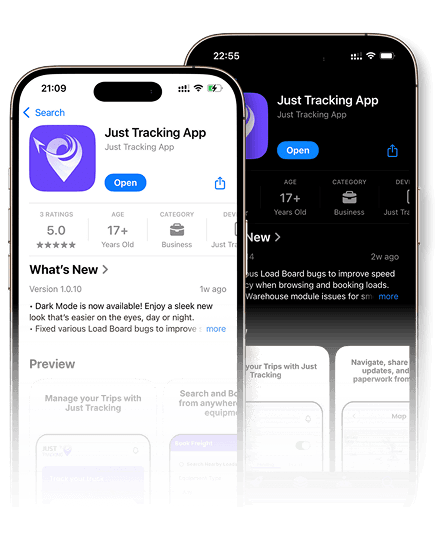
When your truck is empty, turn on Ready Now in the Just Tracking driver app. Your truck shows live on the Available Trucks map, so brokers with power only freight nearby can find you.
Join trailer pool programs
Apply with large carriers and brokers that run trailer pools. Once you're approved, you may see reloads and round trips that keep your truck moving. If your authority is new, read our guide on getting loads with a new MC authority first.
How to price power only loads
Without a trailer, your cost per mile is lower than for a full truck and trailer, but your insurance may be higher. Judge every load by its rate per total mile, including deadhead to the trailer pool. Expect empty trailer moves to pay less than loaded freight, and value the time you save with drop and hook. Our guide to a good rate per mile shows how to compare loads.
Track every hook and drop
On a power only load, pickup is often an unattended trailer yard and delivery is a drop lot, so good records protect you if a broker questions a delay or damage. With load tracking in Just Tracking, the driver accepts the trip in the app, shares location and checks in and out at each stop. Brokers and dispatchers see the truck live, and the driver uploads the BOL and POD from the phone. If the driver forgets a check-in or check-out, the web user gets a notification and can mark the stop.
Tips to avoid power only problems
- Get the trailer number, location and seal number in writing before you go.
- Photograph the trailer and seal at pickup and delivery.
- Read the interchange agreement before you sign it.
- Check the broker's authority, bond and payment history in Company Snapshot before you book.
Frequently Asked Questions
What does power only mean in trucking?
Power only means the carrier provides the truck and driver, and someone else provides the trailer. The carrier hooks up to the trailer, hauls it and drops it at the destination.
Do I need special insurance for power only loads?
Usually, yes. Most power only carriers add non-owned trailer coverage, trailer interchange coverage or both, depending on who owns the trailers they pull.
Is power only trucking profitable?
It can be, since you skip trailer costs and spend less time at docks. Profit depends on your rates, deadhead to trailer pools and how many empty moves you take.
Can new carriers haul power only?
Some programs accept new authorities, while others want time in business and a clean safety record. Check each program's requirements before you apply.
What is drop and hook?
Drop and hook means you drop one trailer and hook up to another instead of waiting while a trailer is loaded or unloaded. It saves hours at the dock.
Find power only loads for free
Search power only freight with broker credit and days to pay on every load. Sign up for Just Tracking for free and set alerts for your lanes.