Company or independent? The skills, business setup, contracts and FMCSA broker rules new dispatchers need, plus where to find your first carriers and the free tools to run your loads.
To become a truck dispatcher in 2026, learn how freight, equipment and rate confirmations work, decide whether to work for a carrier or run your own dispatch business, set up your business and contracts, then find your first carriers and start booking loads for them. You don't need a federal license to dispatch for carriers as their agent, but if you start choosing which carrier gets which load across several clients, FMCSA may consider you a broker.
Key takeaways
- You can work as a company dispatcher for one carrier or as an independent dispatcher with several carrier clients.
- No license is needed to act as a carrier's agent, but allocating loads among multiple carriers can require broker authority.
- A written dispatch agreement with every carrier protects both sides.
- Your first carriers usually come from owner-operators and small fleets who don't have time to search for loads.
Company dispatcher or independent dispatcher?
There are two main paths into dispatching:
- Company dispatcher: you work for one carrier as an employee, plan loads for its trucks and handle its drivers. It's a steady way to learn, with a paycheck while you build experience.
- Independent dispatcher: you run your own business and dispatch for owner-operators and small fleets, usually for a fee on each load. You have more freedom, but you have to find clients and handle your own taxes and contracts.
Many independent dispatchers start at a carrier or brokerage first. For a full picture of the job itself, read what a truck dispatcher does in 2026.
How to become a truck dispatcher step by step
1. Learn how freight moves
You need to speak the language of carriers and brokers. Learn the main equipment types, how loads are posted and priced, what a rate confirmation includes, and how detention, layover and TONU work. Learn the basics of hours-of-service rules too, because you can't plan a load the driver can't legally run. Training courses can help, but many dispatchers learn by shadowing an experienced dispatcher.
2. Set up your business
Independent dispatchers usually form a business entity, get an EIN, open a business bank account and set up a professional email and phone number. Ask an accountant how to handle taxes, and consider general liability or errors and omissions insurance.
3. Write a dispatch agreement
Every carrier you work with should sign a written agreement that covers your fee, when it's paid, what you're allowed to do for them and how either side can end the deal. Many carriers also sign a limited power of attorney so you can sign rate confirmations on their behalf. Have an attorney review your template.
4. Stay on the right side of broker rules
This is where many new dispatchers get into trouble. See the next section before you sign multiple carriers.
5. Get your tools ready
You'll need a load board to find freight, a way to track trucks and share updates with brokers, and a tool to check brokers before you book. Keep a simple system for paperwork such as rate cons, BOLs and PODs.
6. Find your first carriers
Owner-operators and small fleets are the usual first clients. They're busy driving and often welcome help finding better-paying loads. More on this below.
7. Book loads and build broker relationships
Book carefully at first. Check every broker, confirm the rate and details in writing, track the load, and send paperwork fast. Brokers remember dispatchers who keep their loads on time.
Do truck dispatchers need broker authority?
FMCSA's final guidance from June 2023 explains when a dispatch service is a carrier's "bona fide agent" and when it is acting as a broker. In short:
- Working for a single carrier and booking loads for that carrier generally doesn't require broker authority.
- If you represent several carriers and use your own judgment to decide which carrier gets which load, FMCSA may see that as allocating traffic, which requires broker authority.
- Carriers whose needs don't overlap, such as different regions or different equipment, lower that risk.
- Handling money between shippers and carriers is a strong sign of brokering.
The answer depends on the facts of each setup. Read FMCSA's guidance and talk to a transportation attorney before you grow your client list. This is general information, not legal advice.
How to find your first carriers
- Network where carriers already are. Truck stops, trucking groups and online communities are full of owner-operators who want more time driving and less time searching.
- Watch who's available. On Just Tracking, drivers can turn on Ready Now in the driver app, and their truck appears live on the Available Trucks map with its type and location. That shows you carriers who need a load right now.
- Use the community chat. The Live Network chat connects dispatchers with carriers and brokers, so you can offer your services directly.
- Ask for referrals. One happy carrier often knows two or three more.
- Start small. Two or three carriers you serve well beat ten you can't keep busy.
Tools every new dispatcher needs
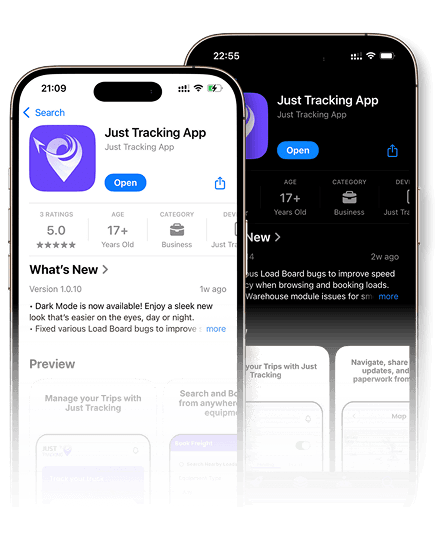
Just Tracking was built with dispatchers in mind, and you can sign up without your own authority. Dispatchers provide two references and can start using the platform while the account is being verified. Here's what you get for free on the dispatcher platform:
- Load board: search 250,000+ daily loads, set load alerts, chat with the broker from any load with the details attached, and send rate offers.
- Broker checks: credit score and days to pay on every load, plus full broker lookups in Company Snapshot.
- Drivers and trips: add drivers, push trips to their phones and follow every truck with load tracking, including stop check-ins and alerts.
- Tracking links: share live tracking with brokers so they don't need check calls.
Before booking, check each broker with our 7 broker checks.
How much do truck dispatchers make?
Company dispatchers earn a salary or hourly pay. Independent dispatchers usually charge each carrier a percentage of the load's gross pay or a flat weekly or per-load fee, so income depends on how many trucks you dispatch and how well they're paid. Helping carriers book loads with a strong rate per mile grows your income too.
Frequently Asked Questions
Do I need a license to be a truck dispatcher?
No federal license is required to dispatch as a carrier's agent. If you allocate loads among several carriers or handle shipper payments, you may need broker authority, so review FMCSA's guidance.
Can I become a truck dispatcher with no experience?
Yes. Many dispatchers start with a course or by working at a carrier. Learning freight basics and hours-of-service rules before you take on clients helps you avoid costly mistakes.
How do independent dispatchers get paid?
Usually through a percentage of each load's gross pay or a flat fee per load or per week. Put the fee and payment timing in your written agreement.
How many trucks can one dispatcher handle?
It depends on the freight and how much support each carrier needs. New dispatchers often start with a few trucks and add more as their systems improve.
Can dispatchers use Just Tracking without an MC number?
Yes. Dispatchers sign up with two references and can use the platform while their account is verified.
Start dispatching today
Find loads, check brokers and track your drivers in one free platform. Sign up for free and book your first load.