The trucking industry in 2026 is more connected, data-driven, and time-sensitive than ever before. At the center of this transformation is the truck dispatcher, a role that has evolved far beyond simply matching drivers with loads. Today, truck dispatchers are operational strategists, communication hubs, and technology power users who play a critical role in keeping freight moving efficiently.
Introduction: The Growing Importance of Truck Dispatchers in 2026
A truck dispatcher is responsible for coordinating freight movement between carriers, drivers, shippers, and brokers. In 2026, this role has become even more critical as supply chains grow more complex and customer expectations continue to rise.
With tighter delivery windows, higher fuel costs, and increased regulatory oversight, dispatchers are no longer optional support staff, they are essential to profitability, compliance, and driver satisfaction. Modern dispatchers combine logistics knowledge with technology to ensure trucks stay loaded, routes stay optimized, and operations stay organized.
Roles and Responsibilities of a Truck Dispatcher in 2026
Truck dispatcher roles today cover a wide range of operational and strategic responsibilities. While the exact duties may vary depending on the size of the fleet or company, the core responsibilities remain consistent across the industry.
Managing Schedules and Loads
Dispatchers are responsible for assigning loads to drivers, ensuring schedules are realistic, and minimizing downtime. This includes planning pickups and deliveries while accounting for hours-of-service rules, driver availability, and equipment type.
Coordinating with Drivers
Clear communication with drivers is one of the most important parts of the job. Dispatchers provide load details, address issues on the road, update schedules, and act as a problem-solver when delays or unexpected situations arise.
Route Optimization
In 2026, dispatchers actively optimize routes to reduce fuel costs, avoid congestion, and meet delivery deadlines. This requires analyzing traffic data, weather conditions, tolls, and driver hours to make informed decisions.
Handling Paperwork and Compliance
Truck dispatchers manage rate confirmations, bills of lading, proof of delivery, and other critical documents. They also help ensure compliance with trucking regulations, including hours-of-service rules, safety requirements, and customer-specific documentation.
Client and Broker Communication
Dispatchers serve as the main point of contact between carriers and brokers or shippers. They negotiate load details, provide updates, handle exceptions, and help maintain long-term business relationships.
Modern Tools and Technology Used by Truck Dispatchers
The biggest difference between a dispatcher in 2015 and a truck dispatcher in 2026 is technology. Manual processes and disconnected systems have been replaced by unified digital platforms that centralize operations.
Unified Dispatch Platforms
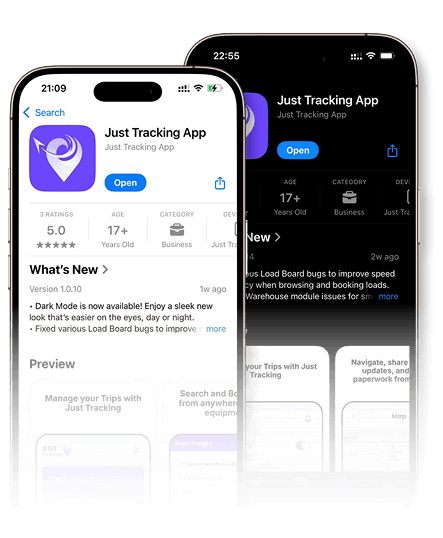
Modern dispatchers use all-in-one platforms that combine load management, driver data, document storage, communication, and analytics. These systems reduce errors, save time, and give dispatchers full visibility into operations.
Load Boards
Digital load boards remain a core tool, allowing dispatchers to search, filter, and book freight in real time. In 2026, many load boards are integrated directly into dispatch platforms, eliminating the need to jump between systems.
GPS Tracking and Live Visibility
Real-time GPS tracking allows dispatchers to monitor truck locations, provide accurate ETAs, and respond quickly to delays. This visibility improves customer satisfaction and reduces constant check-in calls.
Route Planning Software
Advanced route planning tools help dispatchers choose the most efficient routes based on traffic, fuel costs, road restrictions, and delivery priorities. This leads to lower operating costs and better on-time performance.
Communication Apps
Messaging tools, in-app chat, and automated notifications streamline communication with drivers and clients. Dispatchers can send updates, documents, and instructions instantly without relying on phone calls.
Analytics and Performance Insights
Analytics tools help dispatchers track key metrics such as on-time delivery rates, deadhead miles, fuel efficiency, and driver performance. These insights support better decision-making and long-term planning.
Skills and Qualifications Needed to Succeed as a Truck Dispatcher
Being a successful truck dispatcher in 2026 requires a combination of soft skills, technical ability, and industry knowledge.
Strong Communication Skills
Dispatchers must communicate clearly and professionally with drivers, brokers, and clients. The ability to stay calm under pressure and resolve conflicts is essential.
Problem-Solving and Decision-Making
From breakdowns to weather delays, dispatchers face unexpected challenges daily. Quick thinking and practical problem-solving skills are critical.
Knowledge of Trucking Regulations
Understanding hours-of-service rules, safety standards, and documentation requirements is essential to avoid costly violations and delays.
Organizational Skills
Managing multiple drivers, loads, and deadlines requires excellent organization and attention to detail.
Formal education is not always required, but experience in logistics, transportation, or supply chain roles is highly valuable. Many dispatchers also learn through hands-on experience or specialized training programs.
Truck Dispatcher Income and Career Outlook in 2026
Truck dispatcher income varies based on experience, location, and employer type. In 2026, average annual salaries typically range from $50,000 to $75,000, with experienced dispatchers or those working for large fleets earning more.
Independent dispatchers or dispatch service owners may earn higher incomes by working with multiple carriers and charging per-load or percentage-based fees.
Factors That Affect Income
- Experience level: Senior dispatchers command higher pay
- Location: High-volume freight regions often pay more
- Fleet size: Larger operations usually offer higher salaries
- Specialization: Dispatchers handling specialized freight may earn more
Career Outlook
The demand for skilled dispatchers continues to grow. As the trucking industry expands and technology adoption increases, dispatchers who can combine logistics expertise with digital tools will remain in high demand. Truck dispatching is increasingly viewed as a long-term career path rather than an entry-level role
Conclusion: Is Truck Dispatching a Good Career in 2026?
Truck dispatching in 2026 is a dynamic, technology-driven profession with strong earning potential and long-term demand. Dispatchers manage far more than schedules, they coordinate people, freight, data, and systems to keep the trucking industry moving
For anyone interested in trucking industry jobs, logistics management, or operations roles, truck dispatching offers a valuable entry point and a clear path for growth. With the right skills and tools, it’s a career that continues to gain importance in an increasingly connected world.