For decades, supply chain management operated on a "blind faith" model. Once a driver slammed the trailer doors, a shipment effectively entered a black box until it reached its final destination.
Dispatchers and logistics managers relied on periodic driver check-in calls or passive RFID scans at transit hubs. If a refrigeration unit failed on a load of pharmaceuticals in middle-of-nowhere Nebraska, or if a high-value electronics shipment was breached on a dark shoulder in Texas, nobody knew until the dock receiver opened the doors to find spoiled goods or missing pallets.
Today, the integration of Telematics and Internet of Things (IoT) sensors has permanently closed that blind spot.
Industry data reveals that deploying IoT solutions across logistics networks reduces lost shipments by up to 23%, slashes inventory holding costs, and yields a 20% to 30% reduction in overall logistics expenses.
Here is a deep dive into how telematics and IoT sensors detect real-time cargo anomalies and how this technology saves shippers millions of dollars in freight losses every year.
1. The Mechanics: How Telematics and IoT Talk to Each Other
To understand anomaly detection, you have to separate the two core layers of hardware working inside the trailer:
- The Gateway (Telematics Unit): This is the central hub, typically mounted directly to the tractor or trailer chassis. It handles long-range communication using GPS, satellite links, and 5G/4G cellular networks.
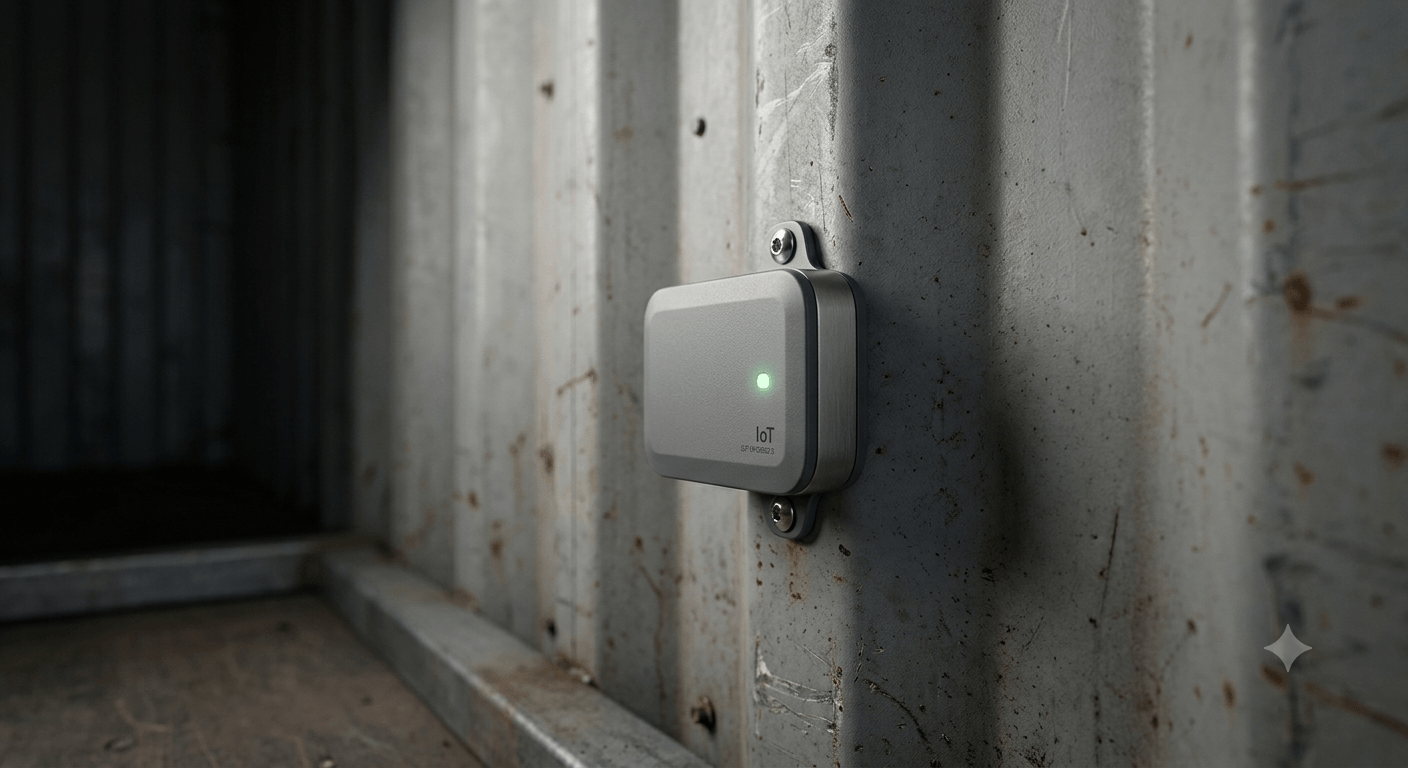
- The IoT Sensors (The Environmental Mesh): These are compact, ultra-low-power Bluetooth Low Energy (BLE) or cellular sensors placed inside the trailer, attached to pallets, or embedded inside individual crates.
The sensors continuously gather environmental and structural data, broadcasting it locally to the gateway. The gateway aggregates that raw data, uses edge computing to evaluate it against baseline safety thresholds, and instantly pushes critical updates to the cloud.
2. The 5 Core Cargo Anomalies IoT Detects instantly
A. Temperature Excursions (Cold Chain Failure)
In cold chain logistics, whether hauling fresh produce, frozen foods, or life-saving biologics, a temperature fluctuation of just 2°C to 3°C can destroy an entire load.
- How It Works: Wireless temperature probes sample trailer air every 30 to 60 seconds. Rather than simply measuring average trailer air, smart sensors monitor deep-pack temperature directly against regulatory thresholds (like FDA 21 CFR Part 11 or EU GDP).
- Real-Time Response: If a reefer unit’s compressor fails or runs out of diesel, the sensor detects the upward thermal trend within minutes, alerting dispatch before the physical product suffers thermal degradation.
B. Unauthorized Door Openings and Light Exposure
Cargo theft remains a multi-billion-dollar issue worldwide, with thieves frequently targeting freight while a driver takes a mandatory rest break.
- How It Works: Optical light sensors and magnetic door-contact sensors detect even microscopic light leaks.
- Real-Time Response: If a door is unlatched outside of a geofenced delivery zone, the system registers an anomaly instantly. A high-priority "tamper alert" is triggered, logging the precise GPS coordinates and sending immediate push notifications to both the driver and safety dispatch.
C. Physical Shock, Tilt, and Excessive Vibration
Delicate freight like medical equipment, solar panels, or automotive parts can sustain severe structural damage long before reaching the customer if the truck hits severe potholes or experiences sudden braking.
- How It Works: Multi-axis accelerometers measure shock force in G-forces.
- Real-Time Response: If a driver hits an unexpected road hazard or takes a corner too aggressively, triggering a 4G force impact, the sensor flags a "high-impact event." This establishes a clear timestamp and digital audit trail, proving where and when damage occurred for insurance and claim resolution.
D. Humidity and Moisture Spikes
High humidity is a silent killer for dry goods, paper products, grains, and sensitive electronics, frequently causing mold growth or short circuits.
- How It Works: Relative Humidity (RH) sensors track atmospheric moisture levels inside sealed dry vans or shipping containers.
- Real-Time Response: If rain leaks through a compromised trailer roof seal, or if a condensation spike occurs, the system flags the environmental shift immediately.
E. Cargo Motion and Load Shift
A shifting load on a flatbed or inside a dry van can cause catastrophic vehicle rollover accidents.
- How It Works: Advanced ultrasonic and radar-based cargo sensors mounted on the interior trailer ceiling sweep the cargo floor to measure volume and position.
- Real-Time Response: If a pallet tips or slides mid-transit, altering the center of gravity, the system alerts the driver to pull over and inspect the securement before a highway incident occurs.
3. Edge Computing and AI: Eliminating "Alert Fatigue"
A common challenge with early IoT tracking was alert fatigue. If a dispatcher gets a notification every single time a reefer door opens for 5 seconds during a routine multi-stop delivery, they eventually start ignoring the system.
Modern telematics solves this through Edge AI and Geofencing:
- Contextual Alerting: The telematic gateway uses edge processing to understand context. A door opening inside a verified warehouse geofence is ignored. A door opening on an unapproved highway shoulder at 2:00 AM triggers an immediate emergency escalation.
- Predictive Analytics: AI algorithms analyze temperature trends over time. Instead of waiting for a reefer trailer to hit 50°F (spoilage point), the AI notices that the cooling rate has dropped by 15% over the past hour, warning maintenance of a degrading engine before the cargo spoils.
The Bottom Line
By catching environmental changes, physical shocks, and security breaches the moment they happen, carriers protect their cargo, lower their insurance liabilities, and build bulletproof trust with high-value shippers.