Discover how real-time GPS tracking is transforming the U.S. trucking industry in 2026. Learn how visibility improves delivery performance, cuts fuel costs, and builds lasting customer trust.
A few years ago, calling a driver to ask “Where are you?” was normal. Now it’s a problem.
If you’re running loads daily, you already know this: delays aren’t the real problem, lack of visibility is.
A truck being 30 minutes late is manageable.
Not knowing it’s late until the customer calls that’s where things break.
Real-time tracking fixes that gap.
What Real-Time Tracking Really Means in Practice
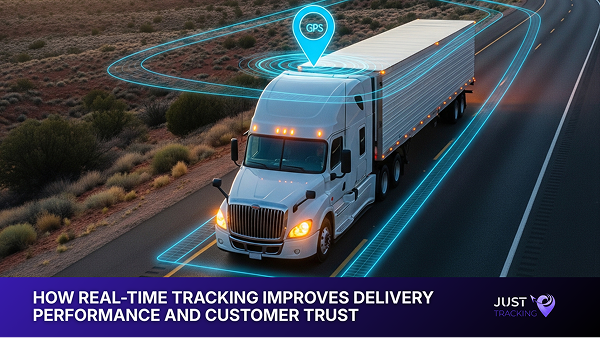
This isn’t just “seeing a dot on a map.”
In real operations, it usually comes from:
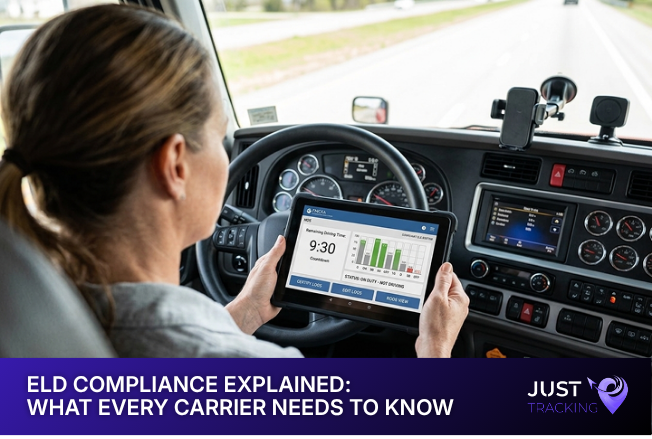
- ELD integrations (Motive, Samsara, KeepTruckin)
- Driver mobile apps
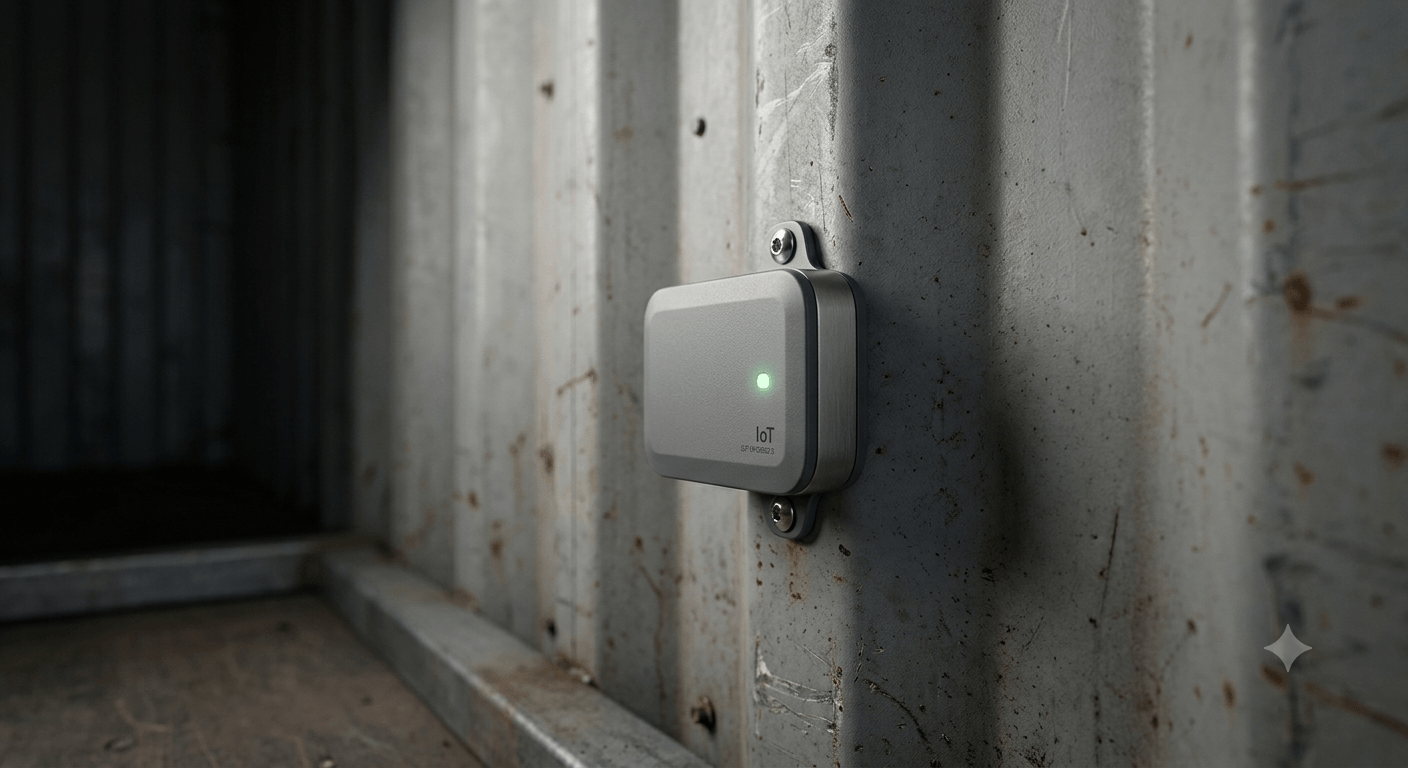
- Telematics / GPS devices
- Load tracking platforms like Just Tracking, Project44, FourKites
The goal is simple: live location + reliable ETA without calling the driver.
The Measurable Impact on Delivery Performance
Let’s talk numbers, because that’s what actually matters.
- Companies using real-time visibility platforms report up to 25–30% fewer check calls
- Accurate ETAs can improve on-time delivery rates by 15–25%
- Dispatch teams save hours per day by not chasing drivers for updates
(Source trends: Gartner supply chain reports, McKinsey logistics insights, and visibility platform benchmarks)
Why this happens is straightforward:
1. Earlier Problem Detection
If a truck is off route or stuck, you see it immediately—not after the delivery window is missed.
2. Better ETA Accuracy
Static ETAs are guesses. Live data adjusts based on traffic, stops, and real movement.
3. Faster Decisions
You can reroute, reschedule, or inform the customer before it becomes an issue.
That’s what improves performance—not speed, but control.
Customer Trust Is Built on Visibility, Not Promises
From the customer side, expectations are already set by other industries.
- Over 80% of customers expect real-time updates during delivery (Capgemini Research)
- 69% say they’re less likely to return after a poor delivery experience
What defines a “poor experience” isn’t just delays it’s silence.
When customers don’t know what’s happening, they assume the worst.
Why “No Tracking” Feels Like Bad Service (Even If Delivery Is Fine)
You can deliver on time and still lose trust.
If the customer had to:
- call multiple times
- wait for updates
- chase information
…the experience already feels broken.
Real-time tracking changes that dynamic:
- Customers check status themselves
- Updates are proactive, not reactive
- There’s no need to “ask” for visibility
That shift alone reduces friction more than most operational improvements.
The Tools Driving This Shift
The industry is already moving here. The question isn’t if, it’s what stack you use.
Hardware + Telematics
- Samsara
- Motive (KeepTruckin)
- Geotab
Visibility Platforms
- Project44
- FourKites
- Just Tracking (simpler, lighter-weight approach focused on usability)
What’s Changing
Heavy enterprise tools are powerful—but often complex and expensive.
There’s growing demand for:
- Faster onboarding
- Less hardware dependency
- Simpler interfaces
That’s where newer platforms are gaining traction.
Safety and the "Data-Driven Driver"
In 2026, the U.S. Department of Transportation (DOT) and insurance underwriters are looking closer at safety data than ever before.
- Geofencing for Security: If a truck deviates from a high-value cargo route, alerts are triggered instantly. This has led to a 90% recovery rate for stolen equipment in the first half of 2026.
- Driver Coaching: Live data on harsh braking or rapid acceleration allows for "micro-coaching." Instead of a lecture at the end of the month, drivers get positive reinforcement or corrections that keep them safe and lower the fleet’s risk profile.