A practical guide to the must-have features every driver and fleet needs today.
With trucking volumes expanding and technology advancing rapidly, one thing is clear: mobile apps are essential tools for drivers and fleets alike. They help save time, reduce costs, stay compliant, and keep operations running smoothly. But not all apps are equal and knowing which ones truly matter can make a big difference on the road.
In this post, we’ll break down the what, why, and how of the best trucking apps, the features drivers and fleets actually need, and how to choose the right solution.
Why Trucking Apps Matter in 2026
Apps have transformed trucking from a paper-centric business into a digital, data-driven operation. Drivers once relied on multiple disconnected tools, separate navigation apps, load boards, document scanners, messaging apps, and email chains. Today’s top trucking apps consolidate key workflows right on your phone, so you spend less time switching screens and more time driving.
According to industry analysis, the most valuable apps now go beyond simple tracking or navigation, they combine features that boost efficiency, improve safety, and reduce administrative overhead.
Core Features Every Driver Needs in a Trucking App
1. Load Boards & Load Matching
At the heart of most driver workflows is finding freight. Load boards list available loads from brokers and shippers, and many modern apps offer advanced filtering so drivers can match freight to their route and equipment type. Apps like DAT One and Trucker Tools have built large load networks, but they often require paid subscriptions for full access.
2. Real-Time GPS Tracking
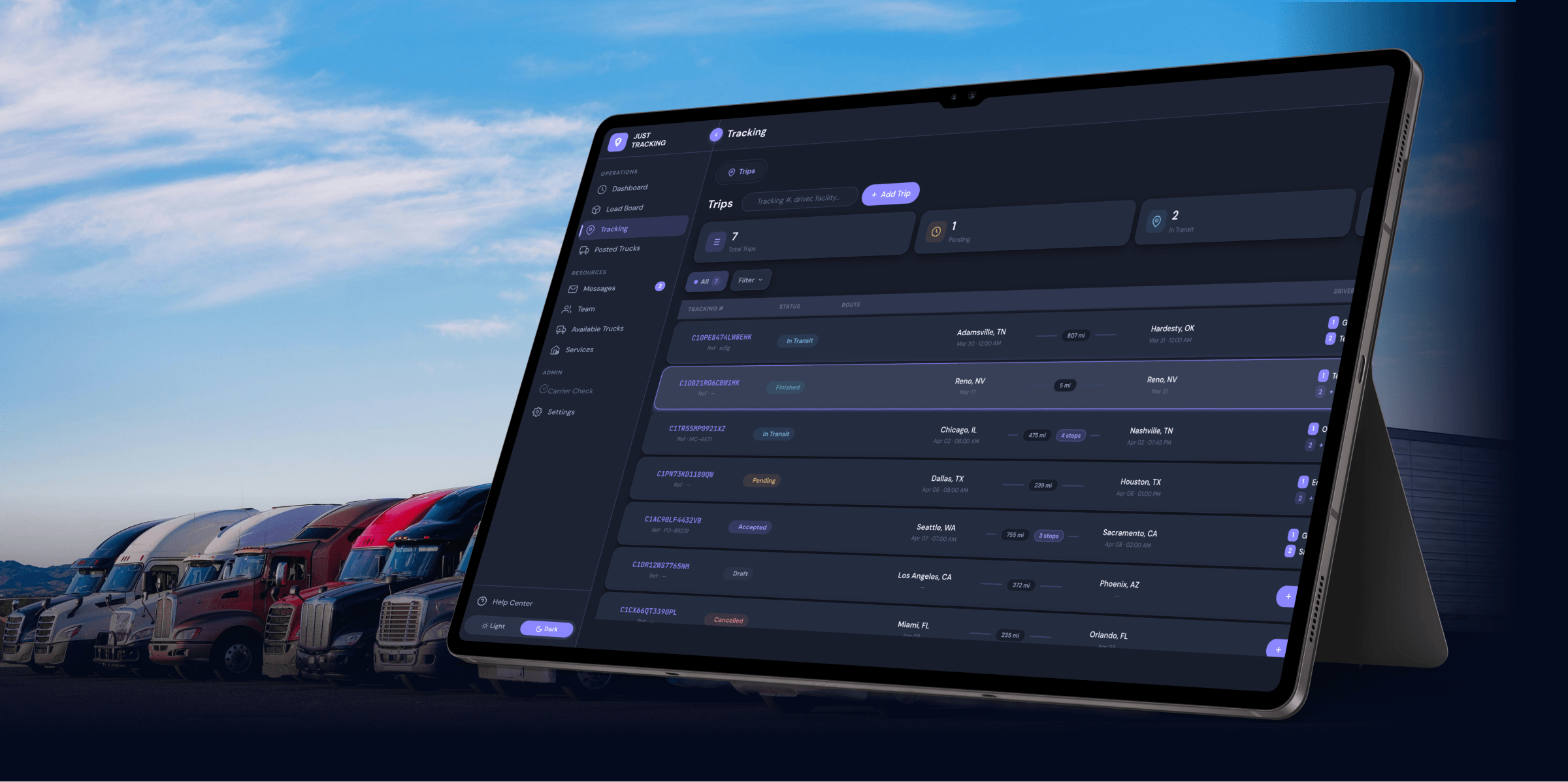
Knowing your truck’s exact location while on the road helps with planning, communication, and transparency. Tracking features should show live location, route progress, and estimated arrival times. In advanced systems, GPS tracking ties into telematics and fleet management, giving both drivers and fleet managers visibility into vehicle behavior and trip status without constant calls.
3. Navigation Built for Trucks
Generic GPS apps like Google Maps work fine for cars, but truck-specific navigation considers vehicle height, weight, and load type — essential in avoiding low bridges, restricted roads, and inefficient routing. Apps such as Sygic Truck GPS and CoPilot are built specifically for commercial routes.
4. Document Management & Paperless Paperwork
Once you pick up a load, there’s paperwork — bills of lading, rate confirmations, proof of delivery, etc. Trucking apps that let you scan, upload, and store documents eliminate the need for separate scanner apps and bundles of receipts. Many drivers also appreciate apps that allow quick sharing of delivery proofs and trip status with brokers or dispatch without extra steps.
5. Communication Tools
Constant communication is a given in logistics — but phone calls take time and distract drivers. Built-in messaging or chat features — whether for one-to-one messages or group threads — streamline communication with dispatch, brokers, and customers.
6. Trip History & Analytics
Top apps keep a record of completed trips, performance statistics, and metrics like fuel usage, idle time, and delivery times. This can help drivers understand earnings, routes, and even maintenance planning. Analytics aren’t just “nice to have” — they shape smarter decisions on routes and loads, helping reduce costs and increase profitability.
Additional Useful App Categories
Drivers often use more than one app for specific needs:
Parking & Rest Stop Finders like Trucker Path help locate truck-friendly parking, weigh stations, and fuel prices. Fuel Savings Apps such as GasBuddy highlight real-time diesel prices to reduce fuel costs. Weather & Alerts tools provide instant weather forecasts and severe weather warnings, crucial for safety and planning.
Choosing the Best Trucking App: What to Look For
So how do you pick the right app?
✔️ Reliable Load Board - A truly active board that updates regularly and shows real opportunities.
✔️ Navigation Built for Trucks - A tool that routes based on your truck’s specs.
✔️ GPS Tracking & Visibility - Know where you and your truck are at all times.
✔️ Document Upload & Scanning - Quick digital paperwork workflow.
✔️ Built-In Communication - Messaging that reduces calls and missed updates.
✔️ Ease of Use - Drivers won’t use an app that’s clunky or complicated.
Some apps focus on one of these areas (like DAT for loads or Trucker Path for parking). Others try to bundle as much as possible into a single interface to reduce switching between tools and screens.
Just Tracking App — A Strong Free Option Worth Considering
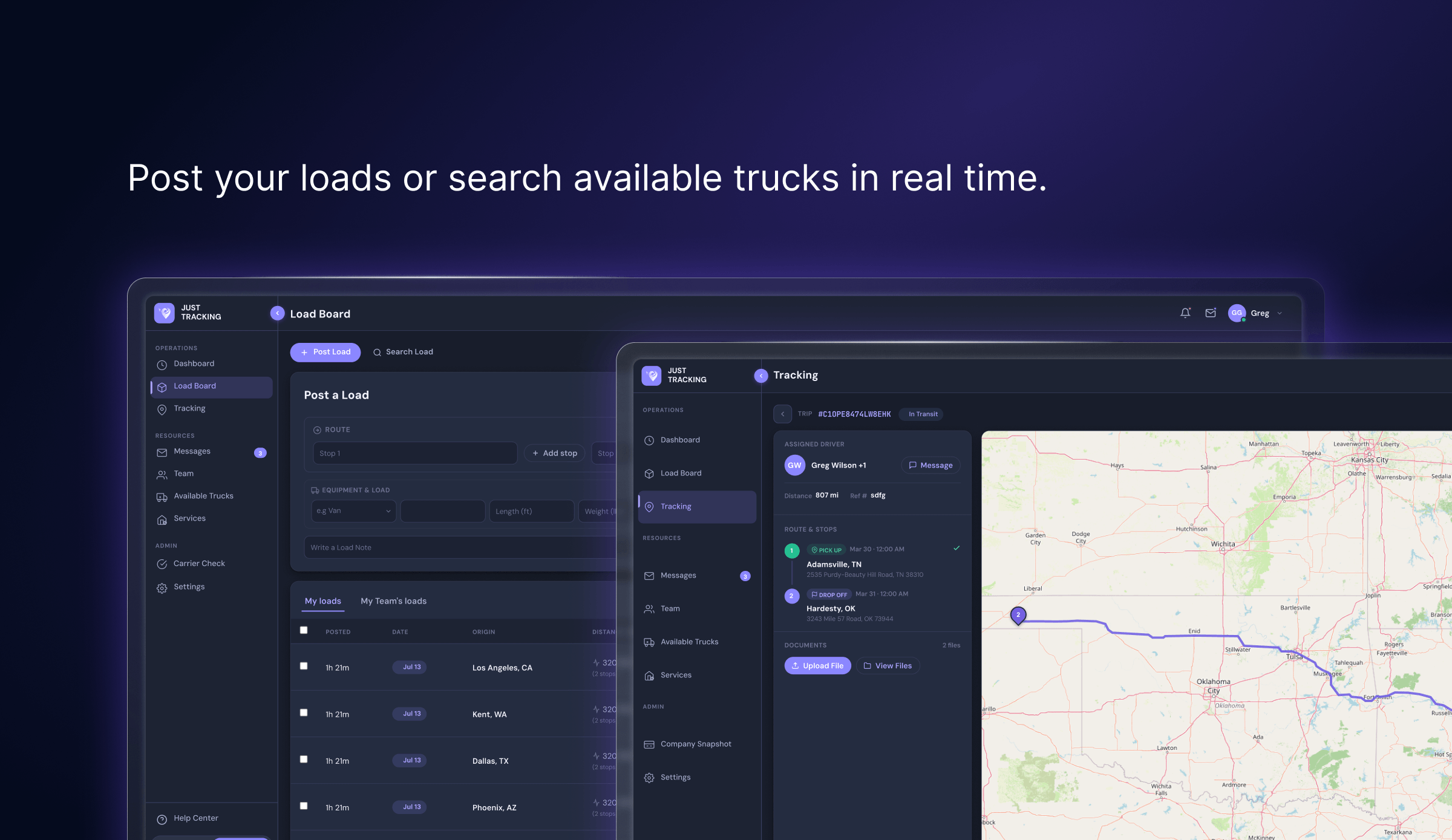
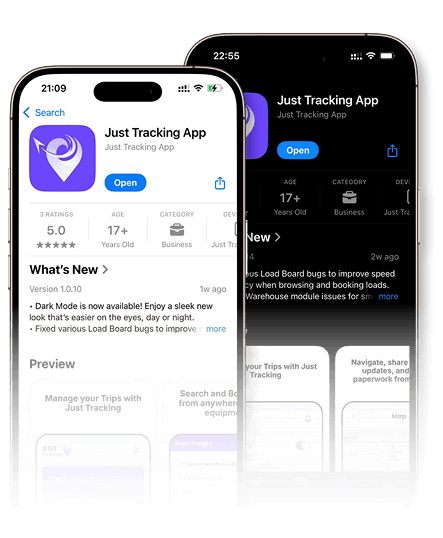
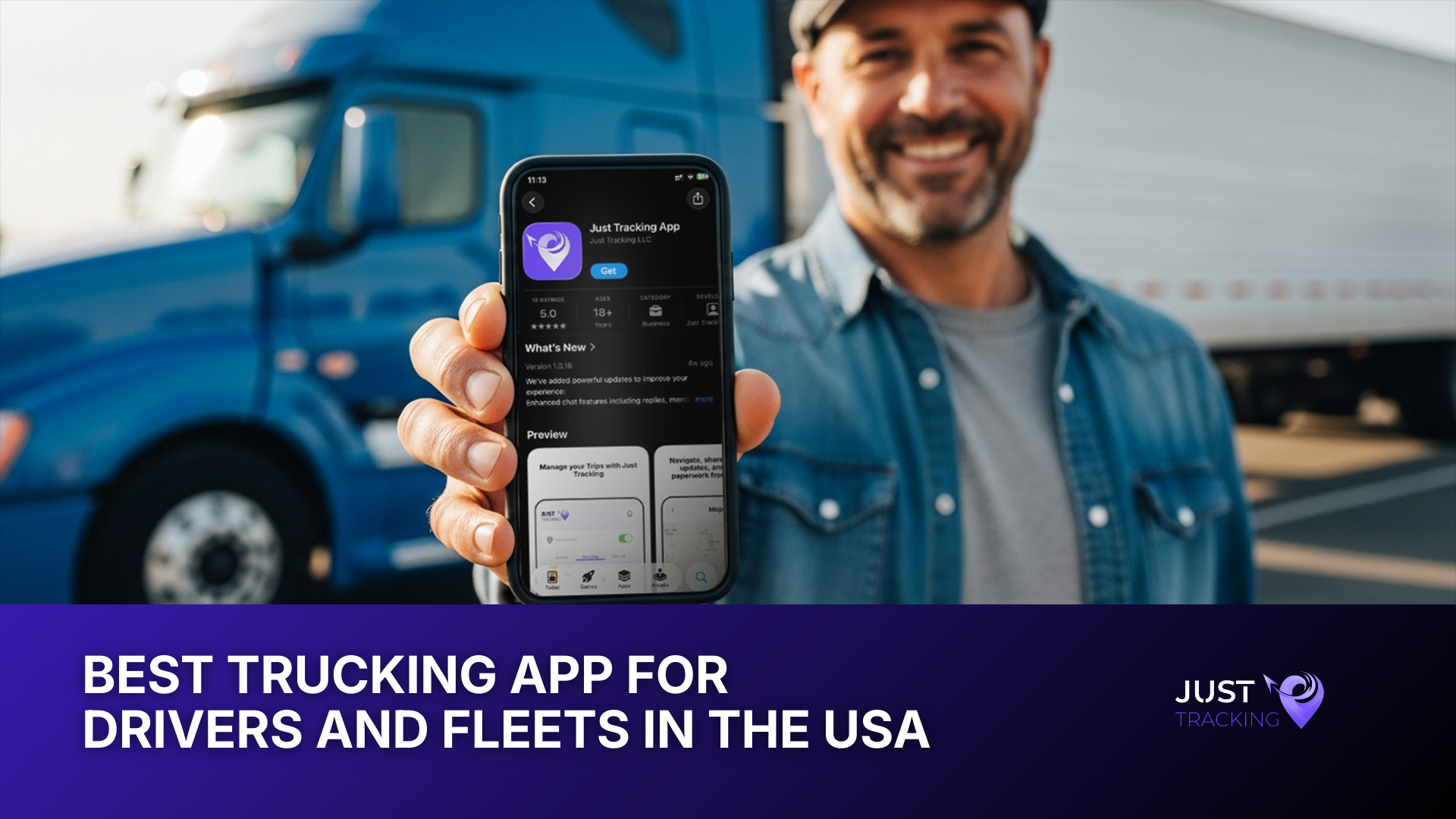
One solution that has gained attention recently is the Just Tracking App. It combines several high-priority features into one mobile platform for drivers, including a large load board, live tracking, navigation, document uploads, and messaging, all without subscription fees for drivers.
While different drivers and fleets may still use niche apps for specific needs (like fuel price tools or compliance trackers), an app that consolidates core operational tools in one place can simplify daily workflows and reduce the number of tools a driver needs to juggle.
Conclusion
There’s no single “perfect” app that replaces every tool a driver or fleet might use — and many drivers continue to carry several apps to serve different needs. But the most valuable trucking apps in 2026 share a few key traits:
- They save time
- They reduce friction
- They provide real-time, actionable information
- They consolidate core trucking workflows
Whether you’re an independent driver or managing a fleet, choosing the right mix of apps or adopting a platform that bundles the essentials can significantly improve your efficiency and profitability on the road.