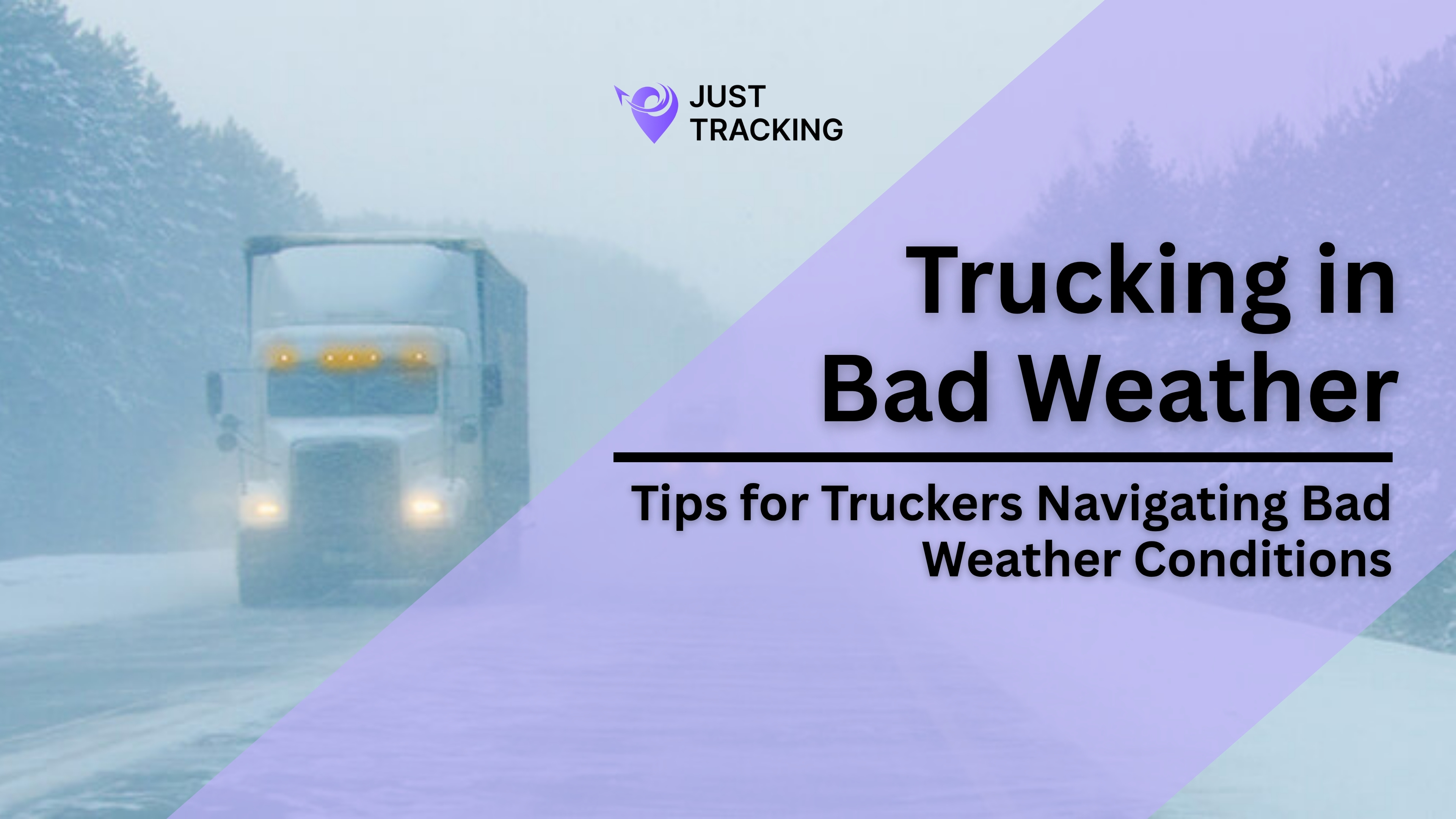
Don't let bad weather compromise your safety. Explore expert trucking tips on controlling speed, avoiding jackknives, and when it is time to pull over.
When the clouds darken and the winds howl, truckers face one of their toughest challenges: navigating bad weather conditions. From torrential rain to icy roads, the perilous elements can turn even the most experienced drivers into cautious travellers. To ensure safety and efficiency on the road, mastering specific techniques becomes paramount. This guide not only highlights essential tips for handling various weather scenarios but also empowers truckers with the confidence to tackle whatever Mother Nature throws their way. With the right preparation and mindset, navigating through storms can transform from a daunting task into a manageable journey. Buckle up as we dive into the indispensable strategies every truck driver needs to know for safe travel during adverse weather.
Understanding the Impact of Weather on Trucking
Weather significantly influences truckers' daily operations, affecting both safety and efficiency. Adverse conditions like heavy rain, snow, ice, fog, and strong winds can drastically reduce visibility, increase stopping distances, and create treacherous road surfaces. These factors can elevate the risk of accidents, making it crucial for truckers to be well-versed in navigating through such challenges. Understanding the specific impacts of different weather phenomena on trucking can help drivers prepare better and make more informed decisions on the road.
Rain, for instance, can reduce tire traction and cause hydroplaning, where a truck's tires lose contact with the road surface, making steering and braking difficult. Snow and ice can lead to slippery conditions, requiring truckers to slow down and maintain a greater distance from other vehicles. Fog can obscure vision, making it hard to see road signs, other vehicles, and potential hazards. Strong winds, especially crosswinds, can destabilise a truck, increasing the likelihood of rollovers. Each of these conditions necessitates specific tactics and heightened vigilance to ensure safe travel.
Moreover, the psychological impact of bad weather should not be underestimated. Driving in adverse conditions can be stressful and fatiguing, affecting a trucker's concentration and reaction times. A comprehensive understanding of how weather affects trucking allows drivers to anticipate potential issues and adopt suitable strategies to mitigate risks, ultimately enhancing their safety and confidence on the road.
Preparing Your Truck for Bad Weather
Preparation is key to handling bad weather effectively. Ensuring that your truck is in optimal condition before facing challenging weather conditions can prevent many accidents and breakdowns. Start with a thorough inspection of your vehicle, paying extra attention to critical components like the tires, brakes, lights, and windshield wipers. Proper tire maintenance is crucial, as good tread depth and the right tire pressure can significantly improve traction on wet or icy roads.

Brakes should be checked regularly to ensure they function correctly, as worn-out brakes can be dangerous, especially on slippery surfaces. Lights and signals are also vital for maintaining visibility and communicating with other drivers. Make sure all lights are working and clean, and keep spare bulbs and fuses handy. Windshield wipers should be in good condition to handle heavy rain or snow, and having a supply of windshield washer fluid designed for low temperatures can help keep your view clear.
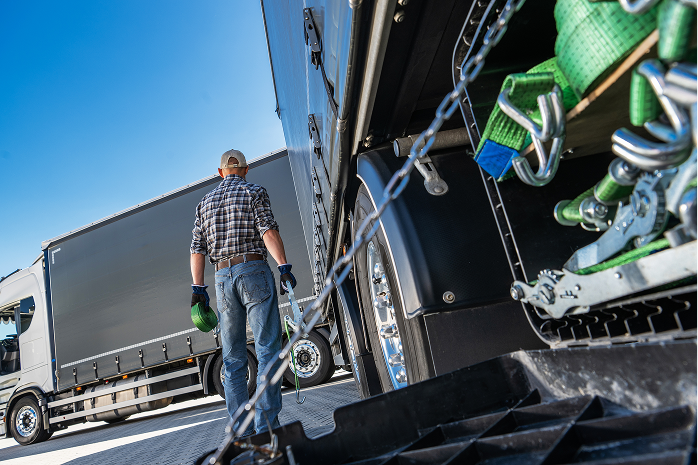
Additionally, it's essential to keep your truck stocked with emergency supplies. This includes items like a first aid kit, extra blankets, non-perishable food, water, a flashlight with extra batteries, and a toolkit. Chains or traction mats can be lifesavers in snowy or icy conditions, while a bag of sand or cat litter can provide extra traction if you get stuck. Being well-prepared ensures that you're ready for unexpected situations and can handle them with ease.
Essential Safety Gear for Truckers
Equipping yourself with the right safety gear is essential for navigating bad weather. High visibility clothing, such as vests or jackets with reflective strips, can make you more visible to other drivers, especially in low-light or foggy conditions. A good pair of waterproof gloves and boots will keep you warm and dry when you need to step outside your truck, whether you're checking your load or assisting with an emergency.
A reliable GPS device and a weather radio are indispensable tools. A GPS can help you find alternative routes if your planned path becomes impassable, while a weather radio keeps you updated on the latest weather conditions and warnings. It's also wise to have a fully charged cell phone and a portable charger, ensuring you can communicate with dispatch or emergency services if needed.

In addition to these items, carrying traction aids like tire chains or snow socks can be invaluable in snowy or icy conditions. These tools can provide the extra grip needed to navigate slippery roads safely. An ice scraper and a snow brush are also essential for maintaining visibility by keeping your windows and mirrors clear. By having the right safety gear, you can better handle adverse weather and ensure a safer journey.
Tips for Driving in Rain and Wet Conditions
Driving in rain requires heightened awareness and specific techniques to maintain control and safety. First and foremost, reduce your speed. Wet roads can increase stopping distances and reduce tire traction, so slowing down gives you more time to react to potential hazards. It's also important to increase the following distance between your truck and the vehicle in front of you, allowing for ample space to stop if needed.
Avoiding sudden movements is crucial when driving on wet roads. Gentle and gradual steering, braking, and accelerating can prevent your truck from skidding or hydroplaning. If you do find yourself hydroplaning, it's important to stay calm, ease off the accelerator, and steer straight until you regain traction. Avoid slamming on the brakes, as this can worsen the skid.

Visibility can be a significant issue in heavy rain. Make sure your headlights are on to improve your visibility and make your truck more visible to others. Use your windshield wipers and defogger to keep your view clear. If the rain becomes too heavy and visibility is severely compromised, it may be safer to pull over and wait for the conditions to improve. Always prioritise safety over maintaining your schedule.
Navigating Snow and Ice: Best Practices
Driving in snow and ice presents unique challenges that require careful attention and specific strategies. One of the most important tips is to slow down significantly. Snow and ice reduce traction, making it easier for your truck to slide or lose control. Reducing your speed allows you to maintain better control and gives you more time to react to any unexpected situations.
Maintaining a greater following distance is also crucial in snowy or icy conditions. This increased space gives you more room to stop if the vehicle in front of you brakes suddenly. Gentle and gradual movements are essential to avoid skidding. This includes gentle acceleration, smooth steering, and gradual braking. If your truck starts to skid, steer in the direction you want to go and avoid over-correcting, which can make the skid worse.
Using tire chains or snow socks can provide extra traction in particularly icy conditions. It's also essential to be aware of potential ice patches, especially on bridges, overpasses, and shaded areas, which can freeze more quickly than other parts of the road. If the weather becomes too severe, don't hesitate to find a safe place to pull over and wait for conditions to improve. Safety should always be your top priority.
Dealing with Fog and Reduced Visibility
Fog can severely limit visibility, making it one of the most dangerous weather conditions for truckers. When driving in fog, the first step is to reduce your speed. Slower speeds give you more time to react to obstacles or changes in the road ahead. It's also important to use your low beam headlights or fog lights, as high beams can reflect off the fog and reduce visibility even further.
Increasing your following distance is essential in foggy conditions. This extra space allows you more time to stop if the vehicle in front of you slows down or stops suddenly. Use the right edge of the road or the fog line as a guide to stay in your lane, and avoid passing other vehicles unless absolutely necessary. If the fog becomes too dense and you can't see more than a few feet ahead, it may be safer to pull over to a safe location and wait for the fog to lift.

Keeping your windshield and mirrors clean can also improve visibility. Use your defroster to keep your windows from fogging up, and make sure your wiper blades are in good condition. If you need to stop, use your hazard lights to alert other drivers to your presence. By taking these precautions, you can navigate through foggy conditions more safely and reduce the risk of accidents.
The Importance of Route Planning in Bad Weather
Effective route planning is essential when facing bad weather conditions. Before setting out on your journey, check the weather forecast for your entire route. This allows you to anticipate potential weather-related challenges and plan accordingly. If severe weather is expected, consider alternative routes that may be safer or less affected by the conditions.
Using a reliable GPS device or a trucking-specific navigation app can help you find the best routes and avoid areas with severe weather or road closures. These tools can provide real-time traffic updates, helping you make informed decisions about your route. It's also a good idea to stay in communication with dispatch and other drivers to share information about road conditions and weather updates.
In addition to planning your route, it's important to set realistic expectations for your travel time. Bad weather can slow you down significantly, so build extra time into your schedule to account for delays. Prioritise safety over punctuality, and be prepared to adjust your plans if conditions become too dangerous. By planning your route carefully and staying flexible, you can navigate bad weather more effectively and safely.
Communicating with Dispatch During Adverse Conditions
Maintaining clear and consistent communication with dispatch is crucial when driving in bad weather. Regular updates on your location, road conditions, and any delays can help dispatchers provide support and make necessary adjustments to schedules or routes. This communication can also ensure that help is available if you encounter any issues or emergencies on the road.
Using a hands-free communication device can help you stay in touch with dispatch without compromising your safety. It's important to report any significant changes in weather conditions or road hazards as soon as possible. Dispatchers can use this information to alert other drivers and provide guidance on alternative routes or necessary precautions.
In addition to regular updates, it's essential to communicate any concerns or issues you may have. If you feel unsafe or encounter severe weather that makes driving dangerous, let dispatch know immediately. They can assist in finding a safe place for you to wait until conditions improve. Clear and proactive communication helps ensure that everyone is on the same page and can respond effectively to any challenges that arise.
Legal Regulations and Responsibilities for Truckers
Truckers have specific legal regulations and responsibilities to follow, especially when driving in bad weather. Compliance with hours-of-service regulations is crucial to prevent fatigue and ensure safe driving. These regulations limit the number of hours you can drive and require rest breaks, helping to reduce the risk of accidents caused by tiredness.
It's also important to be aware of and comply with any weather-related restrictions or advisories. Some states may impose restrictions on certain types of vehicles or require tire chains during specific weather conditions. Failing to comply with these regulations can result in fines and increased liability in the event of an accident.
In addition to federal and state regulations, truckers have a responsibility to prioritise safety above all else. This includes making informed decisions about whether it is safe to continue driving in adverse conditions, performing regular vehicle inspections, and using appropriate safety gear. By adhering to legal requirements and taking proactive safety measures, truckers can minimise risks and ensure compliance with all regulations.
Conclusion: Staying Safe on the Road
Navigating bad weather as a trucker requires a combination of preparation, awareness, and adaptability. By understanding the impact of different weather conditions, preparing your truck, and equipping yourself with essential safety gear, you can enhance your ability to handle adverse situations. Implementing specific driving techniques for rain, snow, ice, fog, and other challenges can further improve your safety and control on the road.
Effective route planning and clear communication with dispatch are crucial for managing unexpected changes and staying informed about weather updates. Adhering to legal regulations and prioritisin safety above all else ensures that you are not only compliant but also taking proactive steps to protect yourself and others on the road.
Ultimately, mastering the road in bad weather is about being prepared, staying informed, and remaining calm. With the right mindset and strategies, you can transform the daunting task of driving in adverse conditions into a manageable and safe journey. By following these essential tips, truckers can confidently navigate through whatever Mother Nature throws their way, ensuring a safer and more efficient travel experience.