FMCSA is phasing out MC numbers. Discover what replacing MC numbers with a unified USDOT system means for your operating authority and back-office fleet setup.
Update (October 2026): FMCSA's new registration system, Motus, started its first phase in December 2025. MC numbers are still active, and FMCSA has not set a final date to retire them. Keep using your MC number until FMCSA officially announces otherwise.
For decades, running a compliant for-hire fleet meant managing a dual-identity crisis. On one hand, you had your USDOT Number, acting like your business's Social Security Number to track safety metrics, road inspections, and compliance audits. On the other hand, you had your MC (Motor Carrier) Number, acting like your business's driver's license, granting you the legal authority to transport regulated freight across state lines for pay.
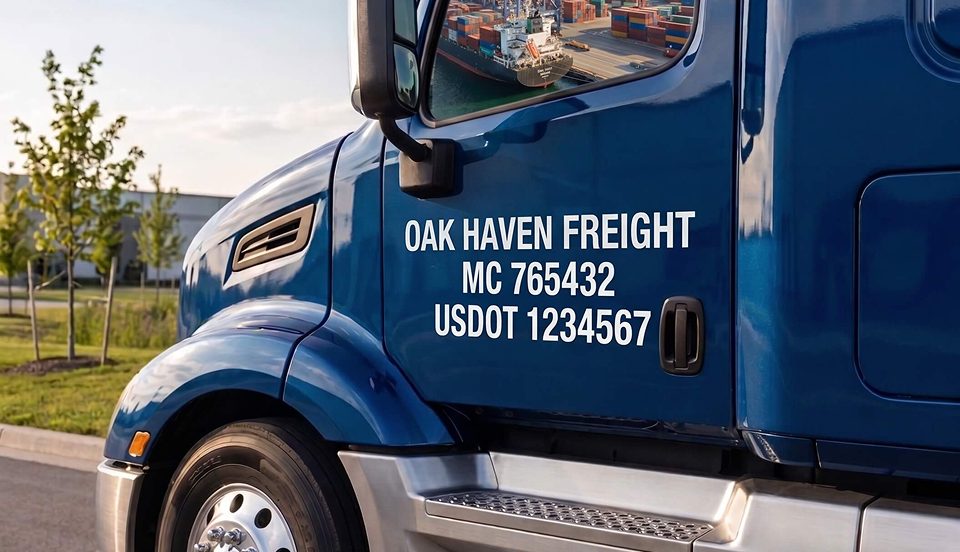
You painted both on your cab doors. You listed both on rate confirmations, insurance certificates, and broker packets.
Now, that era is starting to come to a close. As part of its long-awaited registration modernization, the Federal Motor Carrier Safety Administration (FMCSA) plans to phase out separate MC, FF (Freight Forwarder), and MX (Mexico-domiciled) docket numbers in favor of a single, unified system. (FMCSA)
Once the transition is complete, your USDOT Number will become the sole federal identifier for your company.
Here is what this shift means for your authority, why the regulatory landscape is changing, and what you should prepare so your trucks keep moving without friction.
Why Is the FMCSA Phasing Out MC Numbers?
The dual-identifier model wasn't just redundant; it was an artifact of an analog past. MC numbers originated back when operating authorities were route-specific and split between common and contract carriage. Once authority became nationwide, having two separate federal profile numbers created systemic headaches.
The transition comes down to three major factors:
1. Cracking Down on Freight Fraud & "Chameleon" Carriers
Double brokering and identity theft have plagued the freight industry in recent years. Bad actors often use the complexity of multiple registration numbers to disguise their identity.
More dangerously, "chameleon carriers" (operators who build up poor safety scores or unpaid claims, shut down, and re-emerge under a fresh number) have exploited gaps in the dual system. By anchoring operating authority directly to a single USDOT profile, the FMCSA aims to make safety histories and corporate ties easier to track.
"Linking operating authority directly to the entity's single USDOT registration creates an unbroken lineage of accountability. It closes the loophole where bad actors attempt to wipe their safety record clean by simply registering a new docket number."
2. Streamlining the Regulatory Bottleneck
Previously, launching a fleet required a multi-step paper chase: applying for a USDOT number via Form MCS-150, paying $300 for an OP-1 operating authority application, waiting for vetting, and then securing insurance. The new online registration system (Motus) is designed to bring these steps into one streamlined process.
3. Simplifying Verification Systems
For brokers, shippers, and dispatchers, checking a carrier's legitimacy meant cross-referencing multiple databases (FMCSA SAFER for DOT numbers, L&I for MC numbers). Consolidating records into one primary profile creates a cleaner source of truth for the entire industry.
How Authority Works in a USDOT-Only System
A common fear among owner-operators and fleet managers is that losing their MC number means losing their operating authority.
Your operating authority does not disappear. Instead, authority becomes an attribute tied directly to your USDOT profile. Your profile will show which type of authority you hold, for example property carrier, broker, freight forwarder, passenger carrier, or household goods carrier.
Operational Checklist: What Fleet Managers & Carriers Need to Do
While the FMCSA moves authority records into the new system, the paperwork side of this transition falls on your back office. Start preparing your physical and digital touchpoints now.
1. Verify Your SAFER & FMCSA Portal Information
Your USDOT profile is becoming your main federal identity card.
Log into the FMCSA SAFER system and audit your profile.
Ensure your legal business name, DBA, principal address, and officer details match your state filings and tax documentation exactly. Discrepancies here can trigger delays during broker onboarding.
2. Maintain Your Biennial MCS-150 Updates
The MCS-150 (Motor Carrier Identification Report) updates are strictly enforced. You must update this form every 24 months, even if none of your company information has changed.
How to check your deadline: Look at your USDOT number.
The last digit determines your filing month (1 = January, 2 = February ... 9 = September, 0 = October).
The next-to-last digit determines whether you file in odd or even years (odd digit = odd-numbered years, even digit = even-numbered years).
Failing to file your MCS-150 on time can lead to deactivation of your USDOT number and civil penalties.
3. Contact Your Insurance Agent & Process Filings
Your insurance provider submits compliance filings (such as the BMC-91 or BMC-91X for liability, and BMC-34 for cargo) for your authority. Reach out to your agent to confirm all active certificates of insurance (COIs) show your correct USDOT number.
4. Audit Your Cab Markings and Office Documentation
Federal regulations under 49 CFR § 390.21 require commercial motor vehicles to display the legal name or DBA of the operating carrier and the USDOT number preceded by the letters "USDOT."
Door Lettering: Including an MC number on truck doors was never required by federal law (only the USDOT number is required). You do not need to remove existing, accurate door decals.
Paperwork & Tech: Make sure your USDOT number is shown prominently on rate confirmation templates, carrier-broker agreements, invoices, bills of lading (BOLs), email signatures, and your website. Keep your MC number on them too until FMCSA officially retires MC numbers, because many brokers still ask for it.
What This Means for Brokers and Freight Management
If you operate on the freight brokerage side of the business, the transition will change how you vet carriers and manage fraud risk.
TMS & Onboarding Systems: Freight tech platforms and TMS providers are moving toward USDOT-based carrier lookups. Make sure your internal carrier vetting can search by USDOT number, not only by MC number.
Age-of-Authority Metrics: Brokers historically used low MC numbers to gauge a carrier's longevity (an MC number with fewer digits indicated a carrier that had been around for decades). As MC numbers fade out, age-of-authority checks will rely on the USDOT grant date and historical MCS-150 registration records.
The Road Ahead: Embracing a Single Source of Truth
Change in logistics regulations often brings initial friction, but replacing MC numbers with a unified USDOT system is a net positive for legitimate operators. It cuts administrative redundancy, modernizes back-office workflows, and provides much-needed transparency to combat freight fraud across supply chains.
By auditing your SAFER records today, keeping your MCS-150 up to date, and making sure your broker and insurance documents show your USDOT number, you can keep your authority intact and your operations running smoothly when the switch is complete.