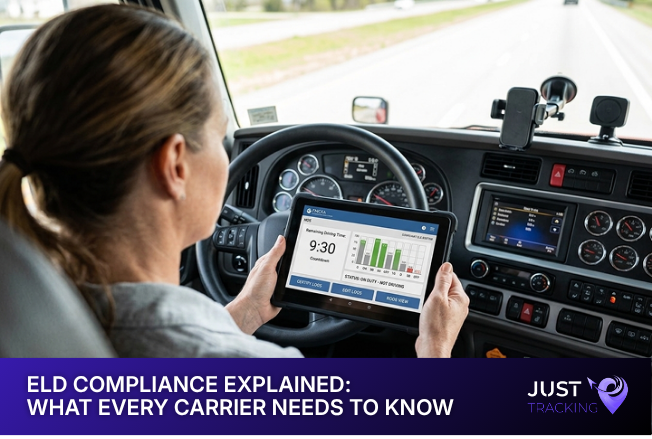
Discover how logistics evolved from paper tracking to cloud platforms. Explore key milestones, real-time visibility, and the future of supply chain tech.
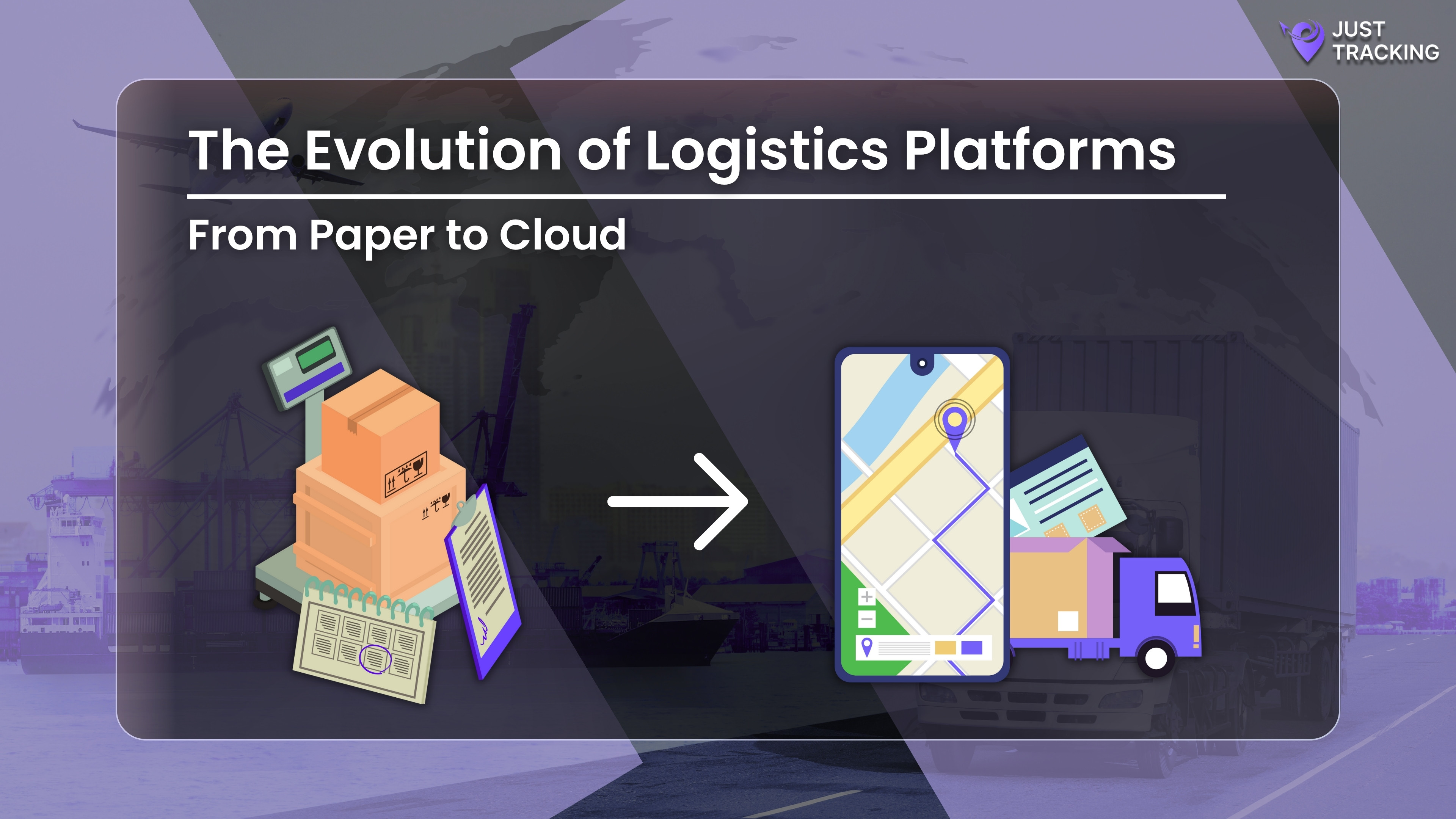
Once paper, piles of spreadsheets, and manual phone calls were the backbone of logistics. Today, cloud-based platforms with real-time visibility, AI, and mobile access are changing the game forever. This evolution isn’t just about going digital—it’s about transforming efficiency, speed, transparency, and scale in freight, warehousing, dispatching, and supply chain management.
From Paper Trails to Digital Platforms
Manual Processes Were the Norm
In earlier decades, logistics managers relied heavily on paper documents: bills of lading, manual waybills, handwritten invoices, and manual schedule sheets. Data was siloed, errors were common, and visibility was low.
Enter Early Computer Systems & On-Premise Software
With the rise of desktop computing, companies moved to proprietary, on-premise transportation management systems (TMS) and warehouse management systems (WMS). These allowed some automation (e.g. pricing, routing), but required high upfront costs, constant maintenance, and limited real-time data.
Internet & ERP Integration
As Internet connectivity improved, logistics platforms began integrating with enterprise resource planning (ERP) systems, allowing data sharing among finance, inventory, sales, and operations. This reduced duplicate work but still often lacked true real-time tracking or mobile access.
The Rise of Cloud & Real-Time Logistics
Cloud Logistics Market Explosion
The global cloud logistics market is expected to reach USD 46.31 billion by 2030, growing at a CAGR of approximately 13.9% from 2025 to 2030. (Grand View Research)
Cloud platforms reduce dependency on local hardware, enable scalability, and allow multi-party access (shippers, carriers, brokers) in real time.
Freight Management & Forwarding Go Digital
In 2024, the freight management software market was valued around USD 4.98 Billion and is projected to almost double by 2033, driven by demand for real-time tracking, automation, and integration across the supply chain. (Business Research Insights)
Freight forwarding platforms, in particular, have seen wide adoption: real-time tracking from origin to destination, improved customs/document workflows, and predictive analytics are now standard requests. (Global Growth Insights)
Key Drivers of Transformation
Real-Time Visibility & Tracking
Over 62% of new freight forwarding systems include shipment visibility features with minimal manual input. (Market Growth Reports)
GPS tracking and IoT sensors are now commonplace. Companies expect to know where cargo is at all times.
Mobile & Cloud-Native Platforms
Many companies now expect to manage operations from phones or tablets. Legacy systems are being replaced or supplemented by mobile-friendly, cloud-native platforms. (Market Growth Reports)
Automation, AI, & Predictive Analytics
More than 30% of freight forwarding software vendors are investing in AI modules for things like delay prediction, route optimization, demand forecasting. (Global Growth Insights)
Digital Documentation & Paperless Processes
Electronic bills of lading, e-booking, automated invoicing: digital documentation has reduced errors, sped up cross-border freight, and cut administrative cost. (Market Growth Reports)
Benefits Offered by Modern Cloud Platforms
- Scalability - Platforms scale with volume; no more servers overheated or under-utilized.
- Accessibility - Teams across geographic regions—drivers, dispatchers, filing, billing—see the same data.
- Speed & Efficiency - Less manual input = fewer errors; faster decision-making with live data.
- Cost Savings - Reduced paper, reduced delays, reduced redundancies; cloud maintenance often cheaper than on-premise.
- Transparency & Customer Trust - Real-time visibility gives better ETAs, fewer surprises; improves relationships.
Challenges & Risks Coming Along
Legacy System Integration
Migrating from old systems (paper, local servers) to modern cloud platforms can be costly and tricky. Data formats differ; processes are embedded in manual workflows.
Data Security & Privacy
More cloud usage means increased exposure to cyber risks. Logistics platforms must invest in encryption, secure APIs, compliance with regulations (e.g., GDPR, sector-specific rules).
User Adoption & Training
Tools are only useful if people use them. Drivers, dispatchers, warehouse staff must be trained; change management is critical.
Connectivity Limitations
In remote areas or regions with weak internet, real-time tracking or cloud-based systems can lag or fail temporarily.
What The Latest Data Shows
In 2024, over 75,000 logistics providers in the U.S. were using freight software platforms. Over 82% of North American freight companies are now using cloud-based logistics platforms. (Market Growth Reports)
Freight software usage is growing fastest in Asia-Pacific & e-commerce capitals; cloud WMS (warehouse management systems) market is projected to grow from USD 292 million in 2024 to USD 450 million by 2031. (Intel Market Research)
Nearly 46% of logistics companies have invested in AI / Machine Learning for digital transformation; 56% have implemented IoT for improved operations. (World metrics)
Looking Ahead: What’s Next in Platform Evolution
- More integration of autonomous vehicles, drones, and electric trucks into platforms for dispatch & routing.
- Real-time supply chain resilience tools (weather, geopolitical risk, fuel price volatility).
- Greater usage of blockchain for traceability, especially in cold chain and pharmaceuticals.
- More modular, micro-services platforms allowing components (booking, tracking, warehouses) to be plugged in based on business size.
Conclusion
The journey from paper and spreadsheets to cloud-native platforms has fundamentally reshaped logistics. What was once slow, error-prone, and opaque is now fast, transparent, and data-driven. Cloud logistics platforms aren’t just replacing old methods—they’re creating entirely new possibilities in efficiency, scalability, and reliability.
As the market continues growing—both in size and sophistication—the companies that embrace this evolution will lead. Whether you're a small fleet, 3PL operator, or global carrier, moving from legacy to cloud isn’t optional—it’s essential.