What does the U.S.–China tariff pause mean for the freight industry? Get the real breakdown on ocean rates, port congestion, and supply chain strategy.
After years of tariff tension, the U.S. and China have agreed to a 90-day pause, easing tariffs to 10% on both sides as of May 12, 2025.
For shippers, brokers, and carriers, this short break feels like catching your breath after a long uphill climb. But make no mistake — the situation is far from settled.
This tariff truce may boost trade volume, but it also brings fresh uncertainty. Markets are moving fast, and those in freight and logistics must move even faster to stay profitable.
Imports Surge as Trade Doors Reopen
With tariffs temporarily lowered, importers are rushing to move goods they’d previously held back.
West Coast ports — especially Los Angeles, Long Beach, and Oakland — are already reporting a rebound in container arrivals. Electronics, industrial equipment, and consumer products are flooding back through supply chains.
For truckers and drayage operators, that means more loads, more miles, and more opportunity — if you can position yourself where the action is.
Freight Rates: Expect the Rollercoaster
As demand ramps up, so does price movement. Market watchers are already predicting rate spikes on transpacific lanes and long-haul domestic routes.
But just as quickly as rates rise, they could drop again if the truce unravels.
For brokers and carriers, it’s a period where timing and visibility mean everything. Staying updated on market trends and load availability could make the difference between a full week and an empty trailer.
Supply Chains Aren’t Snapping Back — They’re Shifting
Even with tariffs reduced, many U.S. importers are keeping diversified sourcing strategies.
The supply chain reroute that began in 2022 — toward Vietnam, Thailand, India, and Mexico — isn’t being abandoned overnight. Some shippers will use the truce to return to China temporarily, but most are keeping Plan B alive to avoid being caught off guard again.
That means new freight patterns — new lanes, new ports, and new opportunities for adaptable operators.
Port Pressure Returns with a Vengeance
The sudden rush of cargo could soon push port operations to their limits again. Experts are warning of possible chassis shortages, warehouse bottlenecks, and rail delays if volumes spike too quickly.
Drivers may once again find themselves waiting longer for pickups, which makes real-time coordination tools even more critical.
In other words: this “good problem” of more freight will test how efficiently carriers and dispatchers can communicate and plan.
How the Tariff Pause Reshapes Domestic Freight
The ripple effects aren’t limited to international lanes — domestic freight is feeling it too.
--West Coast: Expect a strong rebound as imports climb. Carriers in California, Nevada, and Arizona are already reporting tighter capacity.
--Midwest: Agricultural exports (soybeans, corn, grain) are picking up again, which could lift reefer and hopper freight rates.
--Gulf & East Coast: Ports that grew during the tariff war might see some slowdown as volume shifts westward.
Smart operators will watch regional trends closely to stay where the freight is — not where it was.
Smart Players Aren’t Waiting — They’re Preparing
The most successful brokers and carriers aren’t reacting to the news; they’re getting ahead of it.
That means:
--Keeping trucks and drivers near emerging hot zones.
--Strengthening partnerships with shippers looking for fast, reliable capacity.
--Using tech that delivers real-time visibility and communication.
When markets move this fast, manual operations fall behind.
Looking Forward: Adaptability Wins
The tariff truce may be temporary, but it’s a reminder that freight never stops evolving.
Whether tensions ease or return, the companies that thrive will be those with flexibility, insight, and digital tools that help them pivot fast.
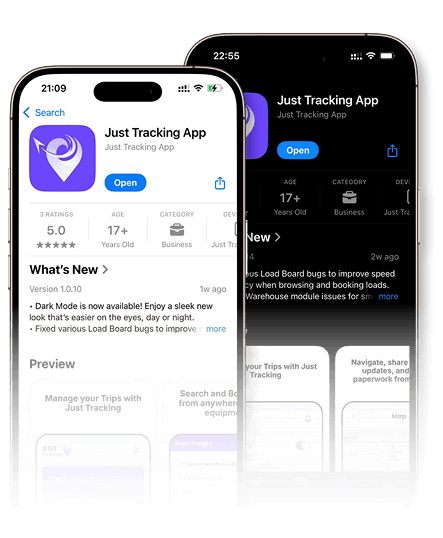
And that’s exactly what Just Tracking delivers — a way to stay connected, find freight, and manage every mile with confidence.