There's a huge gap between gross revenue and actual profit. Explore realistic owner-operator earnings, major expenses, and how to maximize take-home pay.
One of the first questions drivers ask when thinking about becoming an owner-operator is simple: “How much will I actually earn?”
According to recent national job-market data, the average owner-operator gross income is reported at around $250,000–$320,000 annually. But that number can be misleading without context. Earnings vary dramatically based on experience, freight type, market conditions, and—most importantly—expenses, which can take a significant bite out of gross revenue.
The truth? Many new owner-operators take home far less in their first year. To understand the real earning potential, you have to look at both sides of the equation: gross revenue and net income.
Owner-Operator vs. Company Driver: What’s the Actual Difference?
There’s a major contrast between what company drivers and owner-operators bring home.
Company Drivers
- Taxes and expenses are handled by the employer.
- No equipment costs, no insurance headaches, and no back-office workload.
- Stable, predictable pay.
- But: you have less control—over your schedule, your loads, and your routes.
Owner-Operators
- You run a small business: your truck, your taxes, your repairs, your insurance.
- Higher upside earning potential, especially with specialized freight or strong broker relationships.
- More freedom and flexibility—but more risk and responsibility.
For many drivers, the question becomes: Is the increased earning potential worth the added responsibility? That depends on how well you manage expenses and how effectively you secure profitable freight.
How Owner-Operators Get Paid
Most carriers pay owner-operators using one of two methods:
1. Percentage of the Load
You earn 65–85% of the load revenue.
- Big upside on high-value loads.
- Higher risk on weak loads or soft markets.
2. Mileage Pay
A fixed rate per mile driven.
- Predictable, stable income.
- You may miss out on peak-value loads.
Neither method is universally “better”—it depends on your financial strategy, personal risk tolerance, and how you plan cash flow.
Key Expenses Every Owner-Operator Must Consider
This is where many new owner-operators underestimate the reality. The most common expenses include:
Truck Purchase or Lease
Your biggest fixed cost.
Older trucks cost less upfront but require more maintenance.
Newer trucks cost more but reduce repair downtime.
Maintenance
Even a new truck requires:
- Oil changes
- Tire replacements
- Brake service
- Fuel filter changes
- Unexpected repairs
Industry estimates suggest you should set aside 10–15 cents per mile for maintenance alone.
Fuel
Fuel prices are volatile and directly tied to your profit margin. Drivers often treat fuel cost planning as the biggest factor in weekly cash flow.
Insurance
You’ll need:
- Truck insurance
- Cargo insurance
- Liability coverage
Premiums vary by lane, truck type, and state.
Taxes
Unlike company drivers, owner-operators must manage:
- Quarterly tax payments
- Self-employment taxes
- Business filings
- Recordkeeping
Most experienced operators work with accountants to avoid IRS mistakes.
Maximizing Profit: How Successful Owner-Operators Increase Earnings
To boost net income, you need to increase revenue and reduce unnecessary costs. The most successful owner-operators typically:
1. Keep the Truck Moving
Consistent freight is the single biggest income driver. Load boards play an essential role here.
2. Build Strong Broker Relationships
Reliable brokers provide better rates, faster communication, and more predictable load flow.
3. Reduce Deadhead Miles
Empty miles drain profit. Using route optimization and real-time load visibility helps minimize wasted trips.
4. Improve Fuel Efficiency
Speed control, proper maintenance, and smart routing significantly reduce fuel expenses.
5. Use Technology
Modern tools eliminate the inefficiencies that cut into a driver's earnings.
Where Just Tracking Supports Owner-Operators
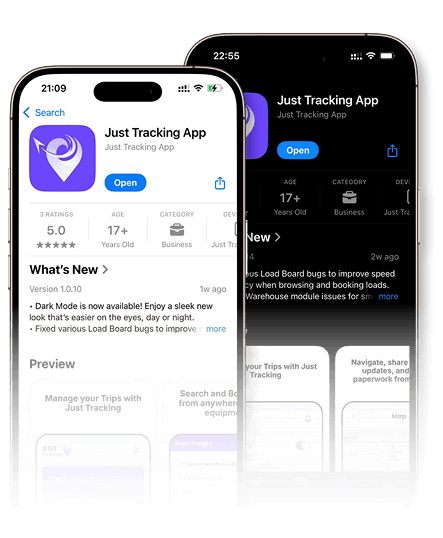
While this article focuses on the broader realities of the industry, certain tools genuinely help owner-operators work smarter—not harder. Just Tracking is built with that in mind:
Real-Time Load Board Access
Find loads, post your truck, and filter by your specific needs—without navigating multiple platforms.
Live Chat With Brokers
Instant communication increases your chance of securing profitable loads faster, especially in competitive markets.
Driver Visibility Map
Make your truck visible to brokers nearby, helping you receive load offers based on your live location and avoid empty miles.
Freight Search Optimization
Advanced filters help you match with the right freight type, rate, and lane—critical for owner-operators managing tight margins.
Just Tracking’s features don’t replace the hard work it takes to run a trucking business, but they support smarter decisions and faster access to opportunities.
How Much Can an Owner-Operator Make?
The real answer:
It depends on how well you manage your business.
A well-run operation with consistent freight and disciplined expense control can earn strong, sustainable income. Poor planning or weak load visibility can push even experienced drivers into financial stress.
Becoming an owner-operator offers freedom, higher earning potential, and control—but it also requires strategic thinking, discipline, and the right tools.
Ready to take the next step as an owner-operator?
If you’re building your own trucking business and want a smarter, more efficient way to keep your truck moving, Just Tracking can support you from day one. Explore our free load board, connect directly with brokers and dispatchers, and access tools designed to simplify your daily operations.
Create your account today and start finding the right loads faster—at no cost.